
Gorilla Species Guide
Types of Gorillas
Did you know there are two gorilla species? Western and Eastern gorillas. They live freely in Africa’s forests.
What is a gorilla?
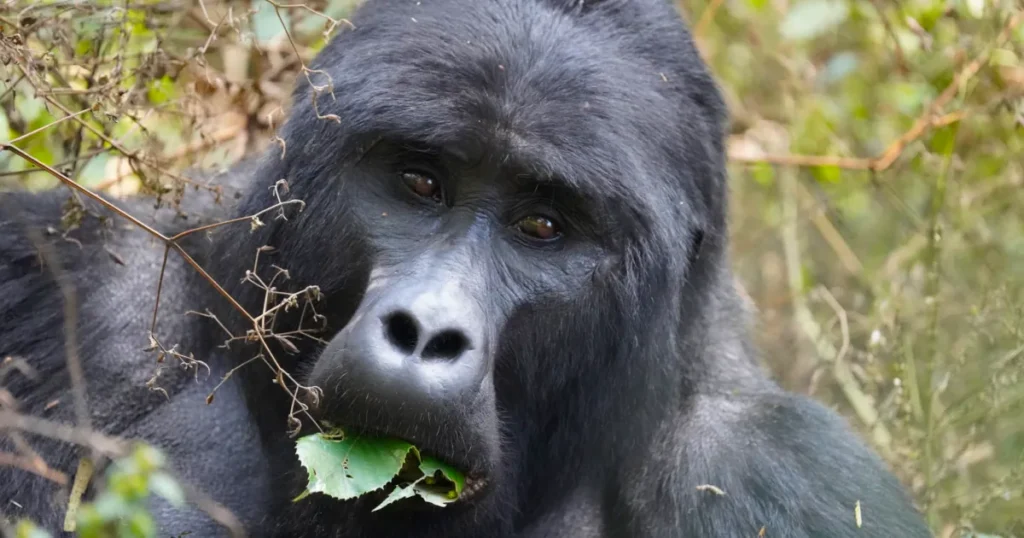
Gorillas are great apes without tails and have a unique look. Their potbelly and strong, thick chest stand out. Plus, they have small ears and a big, flat nose. Most of them have black skin and hair. Adults have muscular arms that are more elongated than their legs. Gorilla hands and feet resemble those of humans.
The largest herbivorous great ape is native to Africa’s tropical forests.
Fossil evidence suggests that Africa is the origin of apes’ descendants. The evolutionary process of gorillas as primates dates back to 6 to 8 million years ago. It is worth noting that they share the same ancestor with humans and chimpanzees.
Great apes, such as gorillas, chimpanzees, bonobos, and orangutans, are closely related to humans. They play a key role in human evolution. Apes share DNA with humans.
Scientific classification
There are two species in the genus Gorilla.
- Western gorilla (Gorilla gorilla)
- Eastern gorilla (Gorilla beringei).
The species is further divided into four subspecies of gorillas living in the wild today.
Gorillas are part of the following classification:
- Kingdom: Animalia
- Phylum: Chordata
- Class: Mammalia
- Order: Primates
- Family: Hominidae
- Genus: Gorilla
Western gorilla
Common Name: Western gorilla, Scientific Name: Gorilla gorilla
The Western gorilla has two subspecies.
- Western lowland gorilla (Gorilla gorilla gorilla)
- Cross River gorilla (Gorilla gorilla diehli).
The Eastern gorilla species
Common Name: Eastern gorilla, Scientific Name: Gorilla beringei
The Eastern Gorilla has two subspecies.
- Mountain gorilla (Gorilla beringei beringei)
- Eastern lowland gorilla (Gorilla beringei graueri).
Weight and Size
What is the weight and size of a gorilla?
Gorilla Height
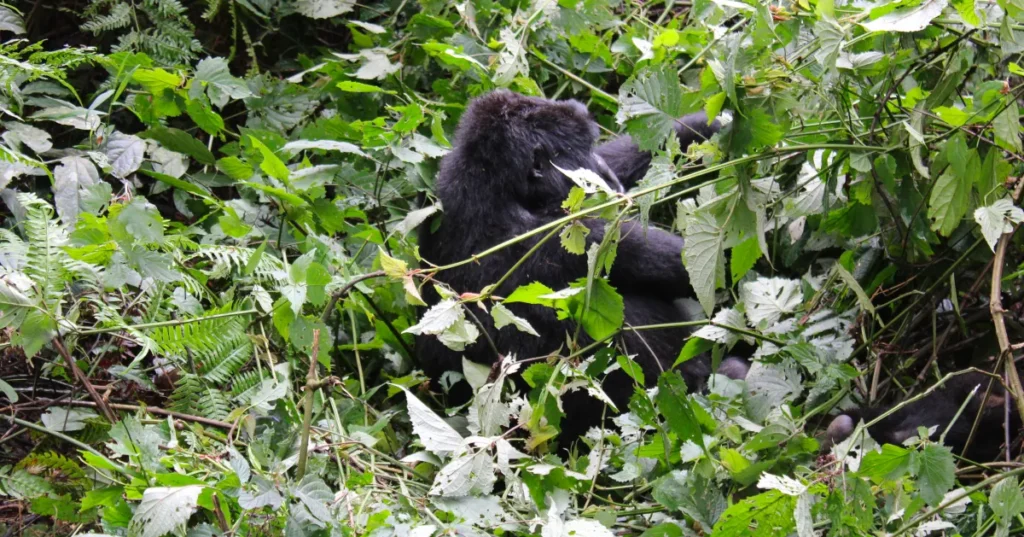
Most adult male gorillas, known as silverbacks, are as tall as an average human when they stand up. On average, male gorillas are 170 centimeters tall. Eastern lowland gorillas are the tallest of all gorillas. They can even reach heights of over 175 centimeters.
Western gorillas are the shortest and can at times be below 170 centimeters. A mountain gorilla standing upright is between 4 and 6 feet tall. Male and female gorillas stand between 100 and 200 centimeters tall.
Weight
How much does a gorilla weigh?
How heavy these gorillas are is exciting. The largest primate is the gorilla. Its weight varies by subspecies and sex.
An eastern lowland silverback gorilla’s weight is never challenged. It is the largest living primate that weighs the heaviest, at over 160 to 180 kg or 352 to 397 pounds. Western gorilla adult males weigh 140 to 160 kilograms. Adult male mountain gorillas’ weights are from 150 to 160 kg.
To sum up the above, gorillas rarely exceed 440 pounds / 200 kg, though rare cases do exist. The largest gorilla lived at the Saint Louis Zoo. It weighed double the normal weight.
Habitat
Gorilla habitat and distribution.
Where do gorillas live?
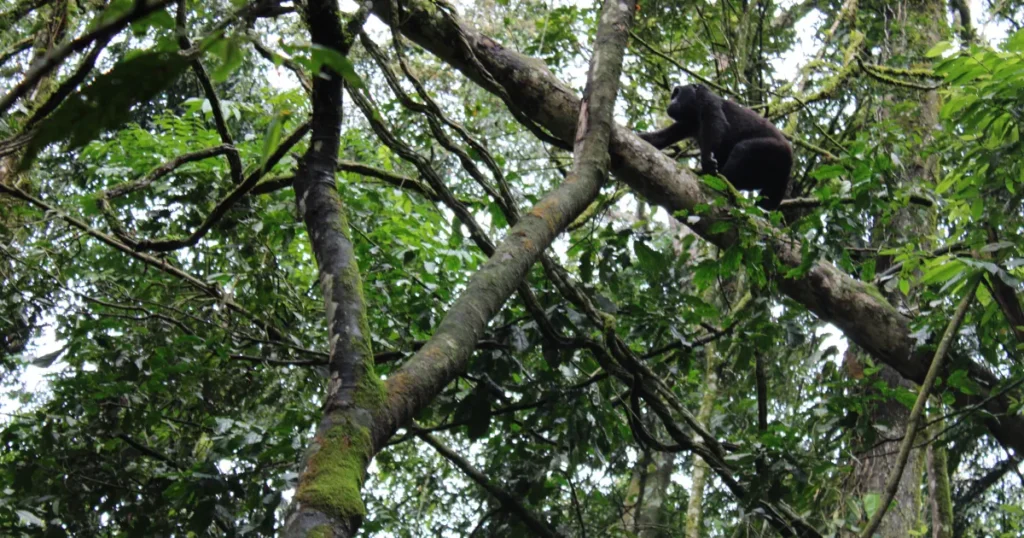
Gorillas live in Africa. This continent is their origin and home, where they live free from captivity.
Tropical rainforests, where gorillas live, stretch across Sub-Saharan Africa. They run from West Africa to Central Africa. These tropical forests have existed for over a hundred million years. They have rare species of flora and fauna.
East and Central African countries are where eastern gorillas are found. Southwest Uganda, northwest Rwanda, and eastern Congo are rich in forests and mountains. These areas are home to eastern gorillas.
Western Gorilla Species Locations
Western gorillas live in the lush rainforests of several countries. These include:
- Congo
- Democratic Republic of Congo (DRC)
- Central African Republic
- Equatorial Guinea
- Gabon, Angola, Nigeria, and
- Cameroon.
Cross River gorillas dwell in a stretch along the Cameroon-Nigeria border.
Gorilla trekking in East Africa’s forests, such as Bwindi and Mgahinga, helps conserve gorillas. Most of the funds collected help the gorillas and local communities. Plan your Uganda safari earlier for the best gorilla experience in the world. Your money for a gorilla trekking permit helps with gorilla conservation.
How long do gorillas live in their natural habitat or in captivity?
Gorillas in the wild usually live between 30 and 40 years, assuming all factors are constant. There isn’t detailed research on how long gorillas live in the wild. But they are usually estimated to live about 45 years.
Most gorillas in captivity do not usually exceed 50 years. A rare event occurred when a gorilla lived past 50 years. Colo, at the Columbus Zoo and Aquarium, was born in captivity and lived to be 60.
Without a doubt, human activity is ever threatening the existence of gorillas. Human encroachment on apes’ natural habitat is of great danger to both apes and humans. At times, the gentle apes fall prey to crocodiles and leopards, depending on the habitat. Some cruel people in war-torn tropical forests of Central Africa eat gorillas.
What do gorillas eat?
The smart great apes live in Africa’s lush forests. They know where to find food.
These rainforests are home to over 8,000 plant species. This means the forest provides plenty of food for the apes’ large stomachs. An adult male can consume up to 30 kg of plants daily.
Diet of the two gorilla species
Green forest vegetation is the perfect diet for gorillas. Zoo gorillas eat meat because the keepers give it to them. In contrast, wild gorillas are usually vegetarian and do not eat meat. Eating tiny amounts of insects doesn’t make gorillas carnivores. They’re not predators either. Western gorillas eat more fruit than leaves.
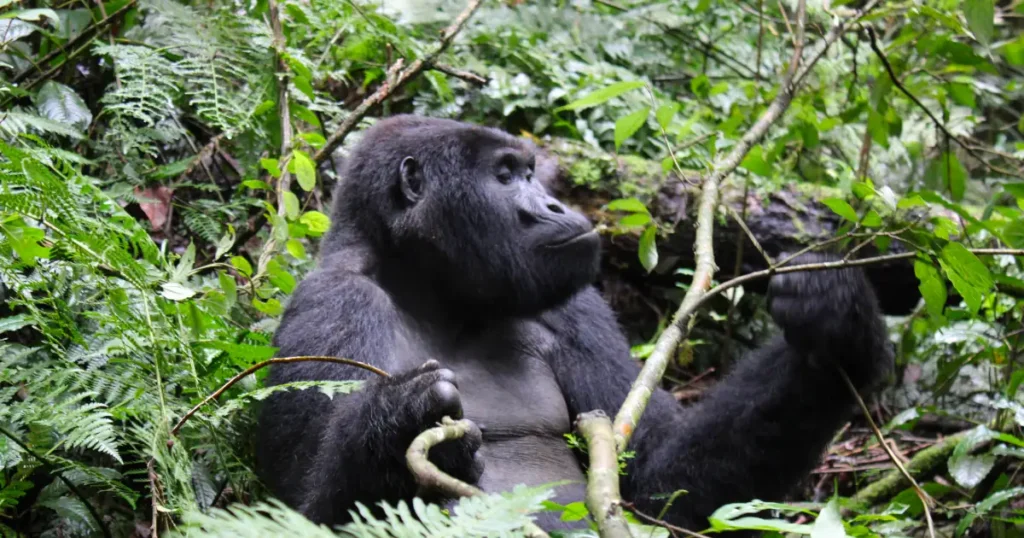
Eastern gorillas spend most of their time eating leaves, bark, and shoots. They are mainly herbivorous. During an African Safari, you can never fail to see a gorilla eating leaves. Great apes’ diets differ. For example, the chimpanzee’s diet is omnivorous-frugivorous.
They spend the whole day foraging. They cover distances of 4 to 25 square kilometers. Gorillas sleep at night in cozy nests made of leaves. This helps them avoid parasites and stay comfortable in the forest.
Gorillas build nests every day. They move around daily to find the sweetest forest plants.
How many gorillas remain in the world?
Human activity has put gorillas in danger. All gorillas are now endangered. Some subspecies are critically endangered, according to the IUCN.
Researchers count mountain gorillas every 5 to 10 years. 1,063 mountain gorillas are living in the wild. The census was last carried out in 2018. Currently, another census is ongoing. The great apes’ census happened in three parks of the Virunga volcanoes. It also included Bwindi and the Sarambwe Nature Reserve.
Unfortunately, scientists estimate other subspecies using models and signs like night nests. Estimating gorilla populations is the only option left. Many factors make it hard to observe gorillas. Diseases, long civil wars, tough forest access, and the shyness of gorillas all play a role.
Population of the Eastern Gorilla Genus Species
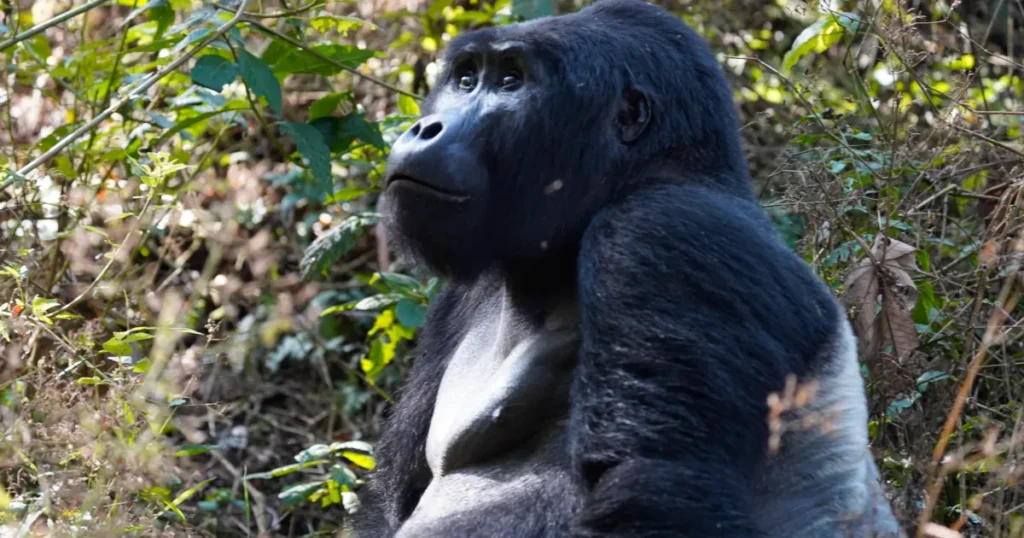
Mountain gorilla populations
The Bwindi mountain gorilla population is at 459. Virunga Conservation Area gorillas are 604 in number. Mgahinga, Volcanoes, and Virunga National Parks form the said conservation area.
Eastern Lowland Gorilla population
Kahuzi Biega National Park in the DRC protects eastern lowland gorillas. The population in this park is around 250 Grauer’s gorillas. The total estimate of all Grauer’s gorillas is 3,800, according to the IUCN Red List of Threatened Species.
The Western gorilla species
Western lowland gorillas
The estimated population of western lowland gorillas is approximately 320,000.
Cross River gorilla population
The number of cross-river gorillas is approximately 200 to 300.
What is a Gorilla Family?
Great apes are social animals. Each dominant silverback gathers a harem of mature females and their young. Together, they form gorilla family groups called troops. Adult males engage in polygamy as a natural behavior. The leading male has exclusive breeding rights to adult females.
Gorillas live in family groups of 6 to 30. Yet, the average family has about 4 to 10 members. A single adult male known as a silverback is the head of the family. Two or more silverbacks can live together in some groups. Usually, the dominant one fathers these silverbacks. Sometimes, subordinate adult males may lead a gorilla family alongside their father.
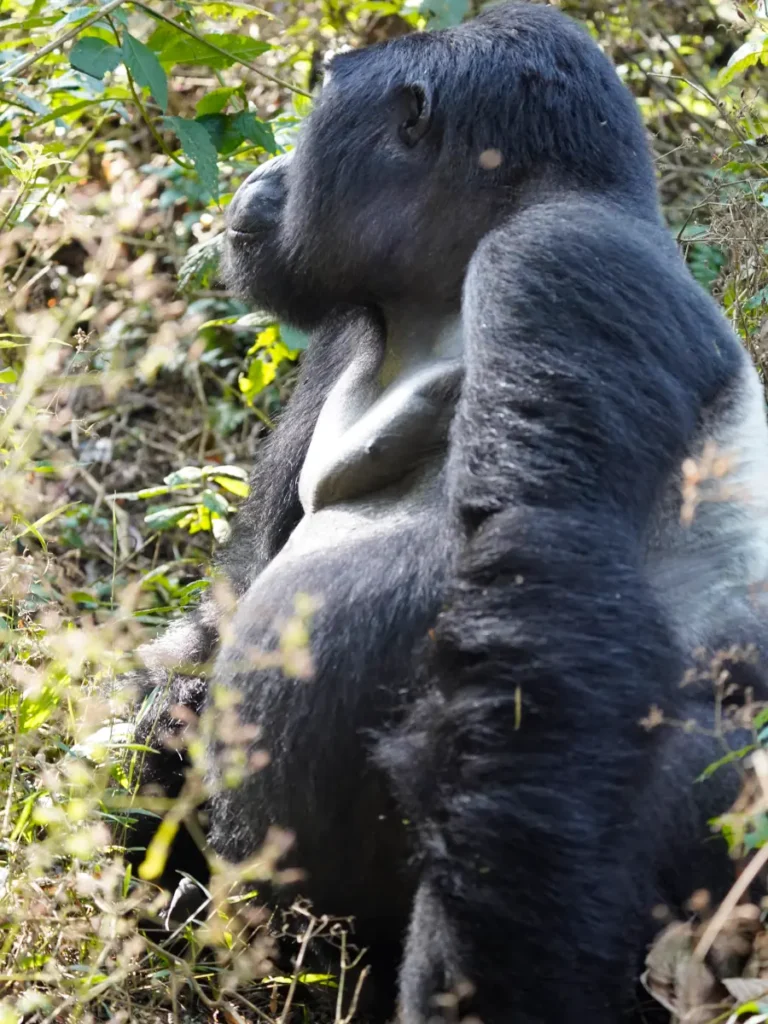
A gorilla family includes infants, juveniles, blackbacks (young adult males), females, and silverbacks. Lonely male groups form because there are more female gorillas than males in some groups.
Gorillas communicate with their group members using different vocalizations. Grunts, roars, hoots, and alarm barks are often used in communication.
Gorillas use sounds, chest beating, and fast runs to scare off humans or other gorillas. All gorilla subspecies are shy and aggressive. They can show intimidation by plucking vegetation or slapping the ground.
Visit Uganda to find out more about gorillas.