
Mgahinga Gorilla National Park
Gorillas and Volcanoes
The park’s theme is “Where Gold Meets Silver.” At the southern tip of Uganda lies Mgahinga Gorilla National Park. This misty park rises high among three extinct volcanic mountains. It’s home to the eastern gorilla species, birds, and other rare wildlife.
Getting to Mgahinga
Mgahinga is in southwestern Uganda, in the Kisoro District. Its coordinates are 01°22′10″S, 29°38′25″E. The park is west of the Democratic Republic of Congo (DRC) and south of Rwanda. Visiting Mgahinga is by road or air.
The road from Kampala to Kisoro is 490 km. It takes about 8 to 9 hours to drive. You’ll enjoy Uganda’s beautiful landscapes and towns along the way. The route from Kisoro to Mgahinga headquarters at Ntebeko is 14 km.
Tourists traveling by road shorten the trip by stopping at Lake Mburo National Park for a night. Then, they head to Kisoro early the next morning. The distance from Kampala to Lake Mburo is 230 km, and from Lake Mburo to Kisoro is 250 km.
Flying to Mgahinga Gorilla Conservation Park offers luxury travelers an easy choice. Driving the long highway from Kampala is optional. You can catch scheduled and charter flights to Kisoro Airstrip from Kajjansi. Even Entebbe International Airport has flights to Kisoro. Guests can enjoy a transfer from Kisoro Airstrip to Mgahinga as part of the Uganda safari package.
Park Overview
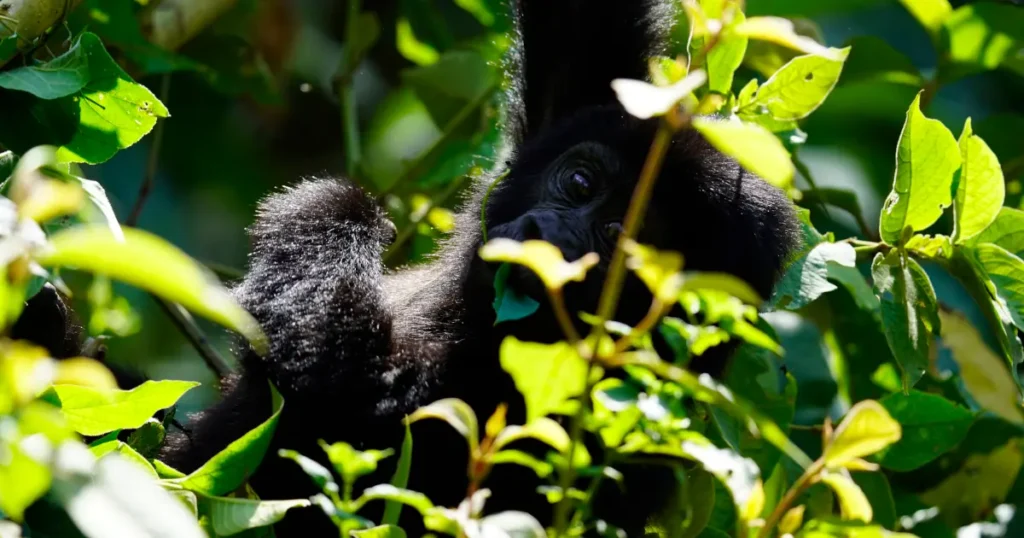
Mgahinga Gorilla National Park is 33.7 square kilometers. It is Uganda’s smallest national park. It’s home to endangered mountain gorilla families led by silverbacks. The park occupies the steep slopes of three extinct volcanoes. They are Muhavura, Gahinga, and Sabinyo.
The park also shelters a rare species known as golden monkeys. Mgahinga is part of the greater Virunga Conservation Area.
The transboundary Virunga Conservation Area includes.
- Rwanda’s Volcanoes National Park
- Congo’s Virunga National Park, and
- Mgahinga Park is in Uganda.
These parks are famous for their unique wildlife, such as gorillas. Some species found here are rare worldwide. The area has a rich history of wildlife conservation. It protects mammals, birds, reptiles, fish, insects, and unique plant species.
History of the Gorilla National Park
The history of Mgahinga National Park is quite fascinating. Mgahinga Gorilla Forest was a protected forest reserve.
In 1925, the DRC, then known as Zaire, established a gorilla conservation area in the Virunga region. This area spans parts of both the DRC and Rwanda. In 1930, the British named Mgahinga an animal sanctuary in Uganda. This was to protect mountain gorillas. It became a game reserve in 1964. Then, in 1991, the Ugandan government named it a national park.
Wildlife
The Gorilla National Park is home to a wide range of wildlife. You can find many plants and animals there. High altitudes in Virunga conservation parks have unique physical features and plants. These conditions support many rare species of plants and animals.
Some of these species live near the parks’ rivers and crater lakes. The Mountainous Gorilla National Park has thriving plants. It is home to mammals, birds, insects, and reptiles.
Mammals in Mgahinga gorilla National Park
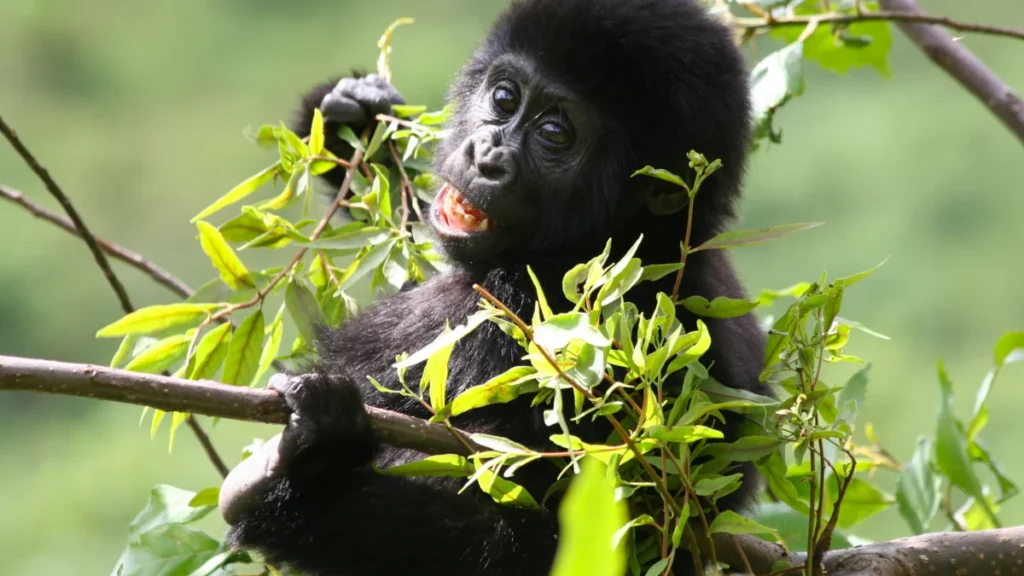
Mammals in Mgahinga Conservation Park number over 76 species, from small to large. The golden monkey and the mountain gorilla are the most famous mammals in this national park. They attract tourists from all over the world.
The mountain gorilla (Gorilla beringei beringei) has only two populations. They stay in the bamboo forests and montane rainforests of Central and East Africa.
Bwindi National Park is home to the most mountain gorillas. Sarambwe Reserve and Bwindi are home to more than half of the world’s mountain gorillas. The rest occupy three national parks in the Virunga Conservation Area.
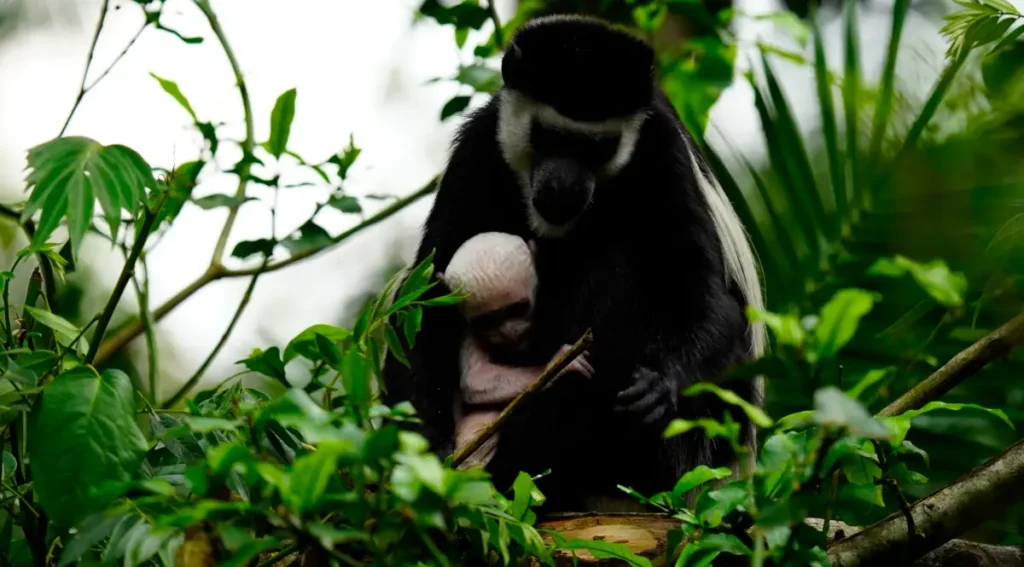
Besides mountain gorillas, Mgahinga National Park is home to other mammals. These animals include buffalo, elephants, giant forest hogs, and leopards. The golden cat, serval cat, spotted hyena, black-fronted duiker, bushbuck, and side-striped jackal, too.
Mgahinga Birds
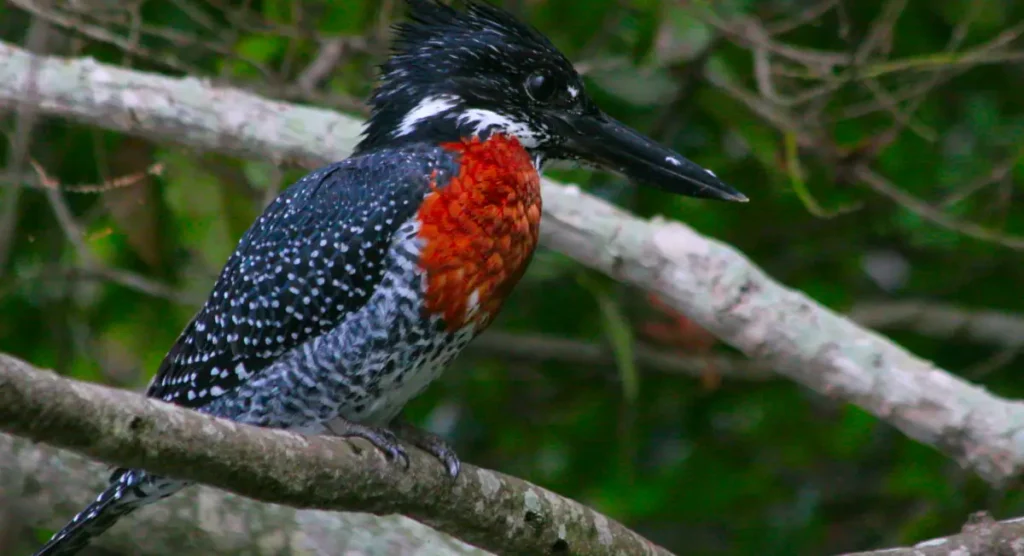
Mgahinga has more than 115 bird species. Many of these are unique to the Albertine Rift.
The gorilla Park has a huge bird list. Some of the most common birds are:
- Speckled Mousebird
- Green White-eye
- Red-eyed Dove
- Common Bulbul
- Northern Gray-headed Sparrow
- Kandt’s Waxbill
- Yellow-whiskered Greenbul
- Grey Crowned-Crane
- Streaky Seedeater
- Red-billed Firefinch
- Rwenzori Turaco
These are a few examples.
Mgahinga Conservation National Park has a long bird list. This is due to its varied altitude, vegetation, and geography. These factors create ideal habitats and food sources for many bird species.
Vegetation
Mgahinga National Park has woodlands. It also includes bamboo and montane forests. These areas are vital as a water catchment. The mountain peaks in the park have craters and swamps. These areas support unique plants.
Water flows down from these African mountains. Most of it comes from the Kabiranyuma swamp, located between Gahinga and Muhabura. The River Ntebeko drains the Rugezi swamp. It flows north from the Gahinga and Sabinyo mountains. Groundsel, heather, and giant lobelias dominate the highest altitudes.
Mgahinga Gorilla National Park Climate
Mgahinga has a mix of cold, warm, and wet weather. Most areas in the Virunga Conservation Area have similar climate conditions. Southwestern Uganda is cool. Temperatures can reach 5°C. This is lower than in other parts of the country. The average temperature of Mgahinga is 20°C during the day and 9°C at night.
Mgahinga, a small but important gorilla park, is open to tourists all year round. Most people think the dry season is the best time to visit Mgahinga Gorilla Park. Wear hiking shoes and waterproof clothes when you visit this cold part of the country.
Mgahinga, a misty and humid gorilla park, has two rainy seasons and two dry seasons. The rainy seasons are from September to December and March to April. The dry seasons run from January to February and from May to August. Gorilla trekking is at its climax during the dry season.
From June to August, Mgahinga Gorilla Park is dry and sunny. Most water sources dry up, except for the Kabiranyuma River. In August, temperatures can hit 24°C. November is the wettest month, bringing heavy rain to the park.
Safari Activities in Mgahinga
There are many interesting things to do in Mgahinga. This gorilla park is where guests can see gorillas and also hike three volcanoes. These volcanoes are
- Muhabura
- Mgahinga
- Sabinyo.
The extinct volcanoes are home to attractive animals and plants.
Places to Visit Near Mgahinga Gorilla National Park.
Mgahinga National Park is a small wildlife park in the Albertine Rift. It is surrounded by lakes, rivers, and other parks. The Albertine Rift and its surroundings are very rich in biodiversity.
After visiting Mgahinga, you can explore.
- Lake Bunyonyi
- Lake Mutanda
- Lake Mulehe
- Bwindi Impenetrable National Park
Queen Elizabeth National Park is close to Mgahinga National Park. It’s a great spot for amazing game drives.
Lake Bunyonyi
Lake Bunyonyi is a freshwater lake in southwestern Uganda. It is between Kisoro and Kabale districts. The lake is famous for its many birds, 29 islands, and well-tended hills. At Lake Bunyonyi, near the Mgahinga gorillas, you can enjoy many activities.
Try mountain biking, zip lining, or nature walks. You can also go on a boat cruise or canoe. Bird watching, fishing, swimming, and cultural tours are great options, too. Don’t miss village visits during African safaris.
Lake Mutanda
15 km north of Mgahinga Conservation Park is Lake Mutanda. This freshwater lake offers stunning views of the Virunga volcanoes. It’s also home to gorilla communities. Some activities on the lake include fishing, kayaking, canoeing, bike riding, and birding. Spacious lodging facilities are along the shores of this lake.
Lake Mulehe
Mulehe is a lake in Mucha, Kisoro district. It’s about 20 kilometers from the National Park. Lake Mulehe Safari Lodge is a great place for gorilla trekking. It’s near Bwindi and Mgahinga National Parks. You can plan various fun activities by the lake for lodge guests.
Bwindi Impenetrable National Park
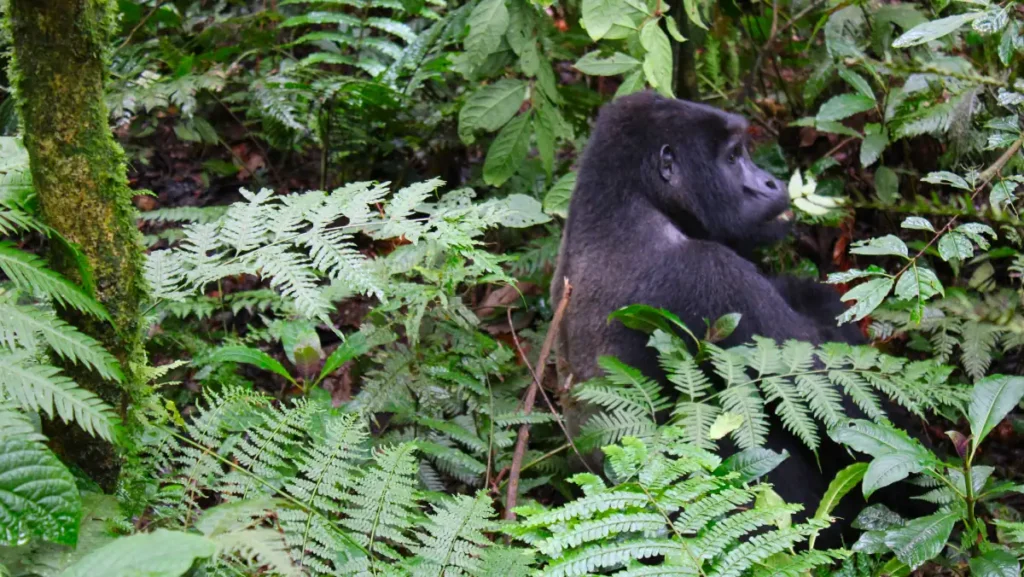
Bwindi Forest is Uganda’s most famous gorilla park for gorilla safaris. It has several gorilla families, each led by a silverback. Bwindi Forest has a strong connection with its primates. Chimpanzees share this forest with many mountain gorillas. Monkeys, forest hogs, antelopes, reptiles, insects, and many other mammals call Bwindi home.
Mgahinga Accommodation
Where to stay in Mgahinga Gorilla Park depends on your budget. You can choose from camping options to luxurious accommodations. All types are available near this mountainous park.
It is important to note that Uganda gorilla trekking starts very early at 7:00 AM local time. Try to carry the gorilla permit with you. When booking where to stay, make sure you can make it to the park offices by exactly 7:00 AM. Some of the recommended lodges not far from the park are:
Budget: Mount Gahinga Rest Camp, Mutanda Eco Community Centre, Amajambere Iwacu Community Camp.
Midrange: Traveller’s Nest Hotel, Bwindi Jungle Lodge, Mucha Hotel, Kisoro, and Mutanda Lake Resort.
Upmarket: Chameleon Hill Lodge and Mount Gahinga Lodge.
Thank you for visiting Mgahinga Gorilla National Park! Your fees help support the marginalized Batwa communities. They are working to adapt to modern society.