
Mgahinga Gorilla Park – Things to do
Things to do in Mgahinga
This park is Uganda’s other gorilla park. Things to do in Mgahinga Gorilla, a small but vibrant national park, include:
- Mountain hiking
- Nature walks
- Birding
- Gorilla trekking
- Batwa cultural tours
- Golden monkey tracking
- Golden monkey habituation
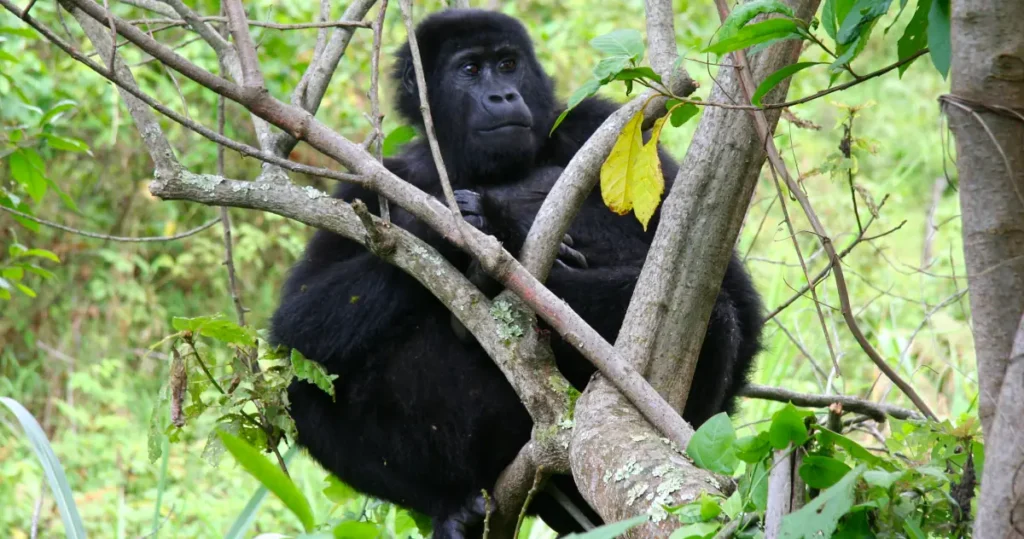
Mgahinga Park Gorilla Trekking
Trekking in Mgahinga National Park to see mountain gorillas is incredible. Many people prefer it because these gorillas are unique to this area of Africa. Mountain gorillas live deep in the forests of Central and Eastern Africa. They are rare primates and look a lot like humans.
Mgahinga National Park is home to one of the last populations of mountain gorillas. These gorillas are only 50 km away from those in Bwindi. Cultivated farmlands cover this distance. The number of gorillas in Mgahinga is tough to pin down. These gorillas roam the large, borderless Virunga Conservation Area. The parks—Mgahinga, Volcanoes, and Virunga—house over 604 mountain gorillas.
You should buy Mgahinga National Park permits before your safari. We handle everything you need for your visit to meet gorillas in Uganda.
Mgahinga mountain gorillas move about without restriction in the three Virunga parks. While trekking, you will meet habituated groups like Nyakagezi and Hirwa. Capturing photos is a great way to remember your encounters with the gorillas of this volcanic park.
Why Mgahinga Gorilla Safaris
Mountain gorillas in Mgahinga Park are easy to spot. This park is smaller than the vast Bwindi Impenetrable National Park. During Bwindi safaris, you have to trek a long distance to see gorillas.
A safari to Mgahinga, Uganda’s other gorilla national park, usually takes 4 days, 3 days, or 2 days. The most popular option is a 3-day Mgahinga trekking tour. This safari package explores the entire national park. While tracking gorilla families, tourists can enjoy stunning views of three volcanoes. Visitors will see green forests and lots of animals in this old gorilla park. You will see birds, duikers, forest hogs, and hyenas, too.
Customize your gorilla safari with nature walks, mountain hikes, and cultural tours. Note the gorilla trekking rules from the Uganda Wildlife Authority.
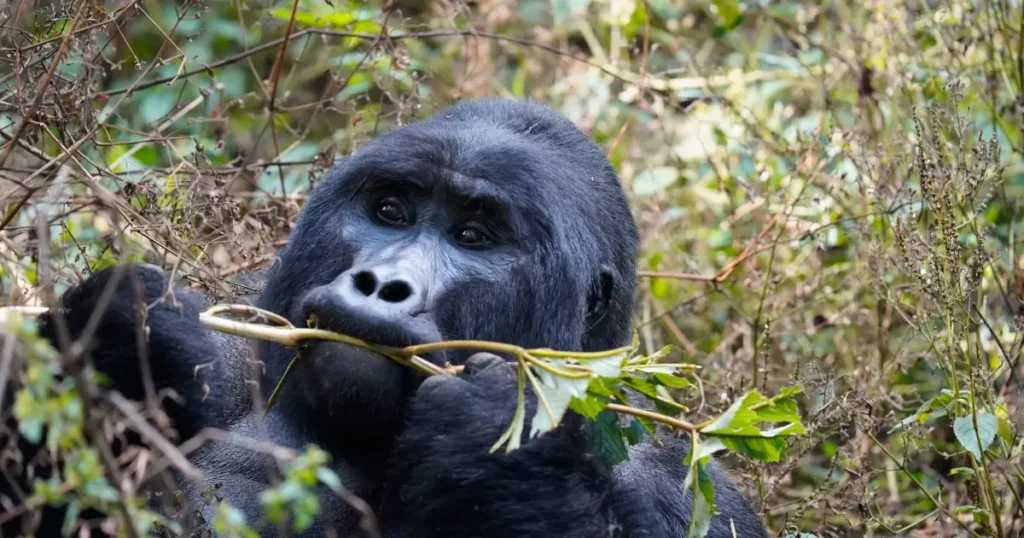
Golden Monkey Tracking
Golden monkeys are a subspecies of blue monkeys. They live in the Virunga Conservation Area.
This area includes:
- Virunga National Park
- Volcanoes National Park
- Gishwati Forest
- Mgahinga National Park
These endangered species have about 5,000 members. The biggest group lives in the Virunga massif. Monkey tracking is growing in popularity due to the rarity of this species. Habituation efforts in the parks have made it easier to spot these shy monkeys.
Tourists can hike in the lush forest of Mgahinga National Park. It’s located in southwestern Uganda. They can see large groups of golden monkeys feeding and playing high in the trees. This monkey species prefers high-altitude areas with bamboo forests, such as the Virunga mountains. These monkeys live alongside buffalo, hyenas, elephants, gorillas, reptiles, and many bird species.
The fun starts early at the park headquarters. You’ll get to see the playful, gold-coated monkeys! When you find a habituated monkey community, the visit usually lasts about an hour.
You can request activities such as:
- Visiting the Batwa people.
- Hiking the Virunga Massif
- Going on nature walks
Golden Monkey Habituation: Enthusiasts can choose the standard habituation experience. Visitors pay an extra fee for the habituation process. You can spend a day with rangers and researchers. This great experience costs $100. Tracking the monkeys costs $60. You must make an early booking for both habituation and gorilla tracking.
Hiking the Virunga Massif
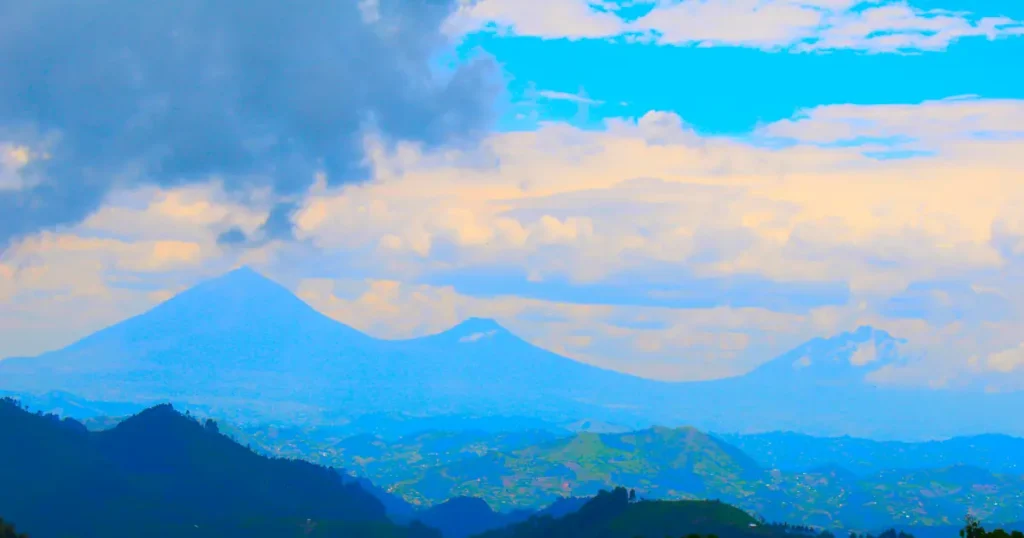
The Virunga Massif lies along the southern edge of Mgahinga Gorilla National Park. It includes three mountains: Muhabura, Mgahinga, and Sabyinyo. Uganda, Rwanda, and Congo share these mountains. The Virunga Mountains have eight volcanic peaks. They stretch from Congo to Rwanda and Uganda.
The Mufumbiro volcanic ranges stretch from west to east. They include:
- Mount Nyamuragira
- Mount Nyiragongo
- Mount Mikeno
- Mount Karisimbi
- Mount Bisoke
- Mount Sabyinyo
- Mount Mgahinga
- Mount Muhabura
Hiking these mountains is a thrilling adventure. You’ll enjoy stunning scenery and wildlife along the trails. Volcano hikes at Mgahinga Park cost $80 each. Gorge walks are $30. You can climb all three volcanoes in about three days. Enjoy stunning views of the three countries that host the parks.
Mount Gahinga
Mount Gahinga is one of the three mountains at the southern edge of Mgahinga National Park. Standing at 3,474 meters, it is an extinct volcano and the shortest among the three. Gahinga sits between the Sabyinyo and Muhabura mountains. It’s the most climbed of the three.
Gahinga means “small pile of stones” in Rufumbira and Kinyarwanda. It refers to the rocks that farmers gather in the fields below the volcano. This description resulted in the naming of the mountain and the creation of the park.
A 180-meter-wide swampy caldera sits atop Gahinga Mountain. Unique plants thrive here, nourished by streams that never dry up. The fertile volcanic soils and heavy rainfall support lush vegetation.
The park hosts unique wildlife such as eastern gorillas, golden monkeys, and rare birds. Bamboo covers the slopes of Gahinga. It is a favorite food for Mgahinga gorillas and golden monkeys. This is why they are always around. Climbing Mount Gahinga takes about six hours.
Mount Sabyinyo
Sabyinyo Mountain, the oldest volcano in the region, reaches 3,669 meters in elevation. The name Sabyinyo, meaning “tooth,” comes from a Kinyarwanda word “Irinyo.” The mountain’s many peaks form a spiky crown that resembles “the old man’s teeth.”
The highest peak of Sabyinyo is important for Uganda, Rwanda, and the DRC. It marks their borders. This natural boundary makes trekking very popular. It’s especially favored over Gahinga and Muhabura. When you stand at Sabyinyo’s peak, you occupy the territory of three African countries at once.
Mountain gorillas and golden monkeys live on the slopes of Sabyinyo. They eat the thick, evergreen bamboo there. Other mammals and birds thrive in the Western (Albertine) Rift Afromontane Forest. During an African safari, a typical Sabyinyo hike takes around seven hours.
Mount Muhabura
Muhabura is a cone-shaped volcano on the Uganda–Rwanda border. It is the youngest of the three and likely formed in the mid or early Pleistocene era. At its summit lies a small crater lake, 36 meters in diameter.
Standing at 4,127 meters (13,540 feet), Muhabura is the third highest of the eight Virunga volcanoes. The plants change with altitude. You’ll see montane forests, bamboo, heather, lobelia, and groundsel on the 8-hour hike. The mountain’s slopes are also home to mammals and birds.
Muhabura means “The Guide.” It served as a landmark for navigators and hunters long ago. Its conical shape and height make it visible from many parts of the forest, earning it this nickname.
The Batwa Trail of Mgahinga Gorilla National Park
The Indigenous Batwa pygmies are people from the forests of East and Central Africa. They live as hunter-gatherers. The Batwa people lived in the forest for thousands of years. In 1991, it became a national park.
This change forced the Batwa to move to the outskirts. Many Twa people did not welcome this decision. Outside the forest/park, there were no fruits to gather, no honey, no herbs, and no wild animals to hunt. Adjusting to farming and trade was tough. Nothing was free anymore.
The Batwa had to leave the forest. They did this to protect the endangered gorilla species. It also helps other unique wildlife in the Albertine Rift. Hunting in this Afromontane forest dropped after authorities evicted the Batwa.
This rise in wildlife numbers drew tourists, which boosted Uganda’s government revenue. A large part of the revenue helps the Batwa. It supports resettlement, hospitals, and schools. In Kisoro District, the main locals are the Bafumbira, Bakiga, Banyarwanda, and Batwa.
Hiking the Batwa Trail is part of a cultural tour. Visit the Garama Cave in Gahinga Mountain. It’s a dormant volcano in Mgahinga National Park. This journey takes you back to the Batwa’s cherished days in the forest.
Garama Cave in Mgahinga Gorilla Park
The cave is a Batwa cultural heritage site, which was vital for the Twa’s survival. It served as a hideaway from enemies and a spot for cultural sacrifices. After visiting Garama Cave, tourists enjoy a cultural dance. This dance shows how they have faced tough times. The Batwa Trail experience in Mgahinga costs $80. It’s the best option when compared to the trail in Bwindi Impenetrable Forest.
Nature Walks
Walking in Mgahinga is exciting. You get to enjoy the beautiful scenery of the Gorilla National Park. It’s a rewarding experience. The Gorge Walk is a popular activity. Many love it, and it costs $30 to hike to the gorge in the national park. Children visiting the park can also take part in guided short nature walks for a fee of 5 USD per child.
Nature lovers will find rivers, swamps, and many animal species in this national park. The park’s lush vegetation makes it even more appealing.
Bird Watching
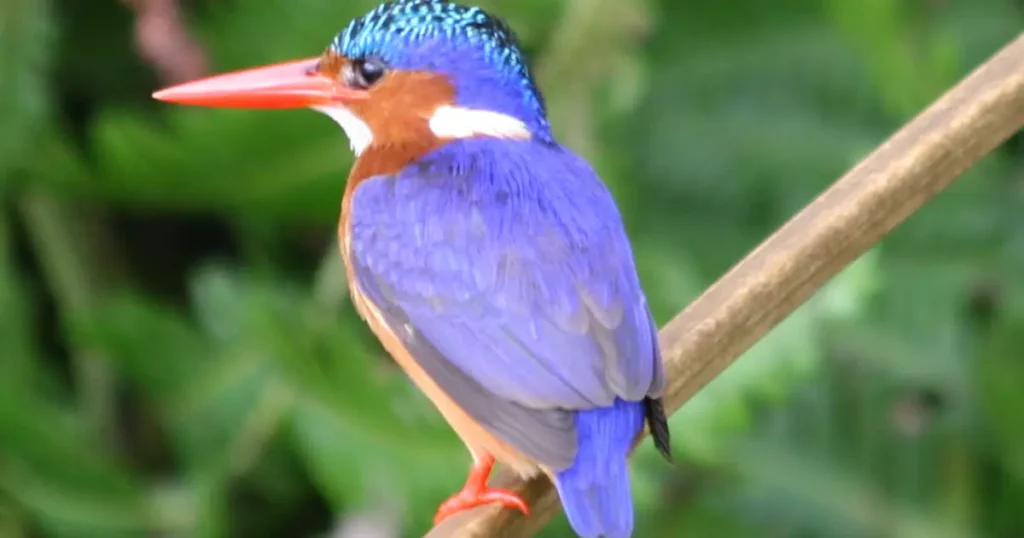
Mgahinga National Park is popular for its mountain gorillas. But it is also a haven for birds. Some species are unique to the Albertine Rift, while others thrive in the forest. Plus, migratory birds visit from Europe.
The best months for birding in Mgahinga are October to November and April to May. Many species are available during these times. Boundary Trail at Ntebeko, Mount Gahinga – explore the Sabinyo Saddle and Sabinyo Gorge. They’re perfect for birdwatchers. Lucky birders might encounter wild Mgahinga gorilla families.