
African Safari Packages
The Best Safaris
Are you dreaming of exploring Africa? Choosing an African safari is the best way to enjoy this untamed beauty. The continent is a true home of safaris and a unique travel destination. It has many cultures and friendly people. You can see amazing wildlife, glacier-covered mountains, and beautiful lakes. It also features the famous River Nile. The Nile is the longest river in the world.
Africa in Brief
The African continent is the second most populous and largest on Earth. It’s often called the “cradle of humankind.” It covers one-fifth of the Earth’s surface. It’s split into East, Central, West, North, and South regions. Sub-Saharan Africa has vast savannas and forests. It’s home to many African animals.
Africa’s most beautiful landscapes are in biodiversity hotspots such as the Albertine Rift. This area is well known for its unique species. Some animals here include gorillas, lions, buffalo, hyenas, and many primates. These animals are easy to see during a safari.
What is a safari?
A safari is a journey to observe wildlife, mainly in Eastern Africa. It focuses on the Big Five: leopard, lion, rhinoceros, buffalo, and elephant. The word ‘safari’ comes from Swahili and means “journey.” It was derived from the Arabic word “safar,” meaning to travel or go on a journey.
Eastern Africa is the top spot for safaris. It has two main areas: the Horn of Africa and East Africa. A complete African holiday should include a visit to at least one East African country. Tanzania, Kenya, and Uganda all offer great tourism activities. The common official languages in these countries are Swahili and English.
Where should I go on safari in Africa?
Experts expect tourist arrivals in East Africa to hit 15 million by 2028. In 2024, South African countries welcomed 8.9 million tourists. Kenya, Tanzania, and Uganda combined are more popular safari destinations than South Africa.
Safaris, especially in Uganda, are becoming popular. This is due to many safari activities, some of which are unique to Uganda. Gorilla trekking and chimpanzee trekking are different activities. You can combine them with game drives for an unforgettable experience.
African Safari Key Features
East Africa’s tourism is booming thanks to amazing safari packages. Gorilla safaris, chimpanzee trekking, and popular game drives attract many visitors. Affordable safari lodges and welcoming people also help to boost this growth.
1. Gorilla Trekking and Why in Uganda?
A gorilla trekking safari involves challenging hikes in the forest. The goal is to spot gorillas, particularly those trained for tourism. Gorillas live in Africa’s forests. They are mainly found in East and Central Africa, with some also in West Africa. Gorillas are great apes that share a close genetic relationship with humans.
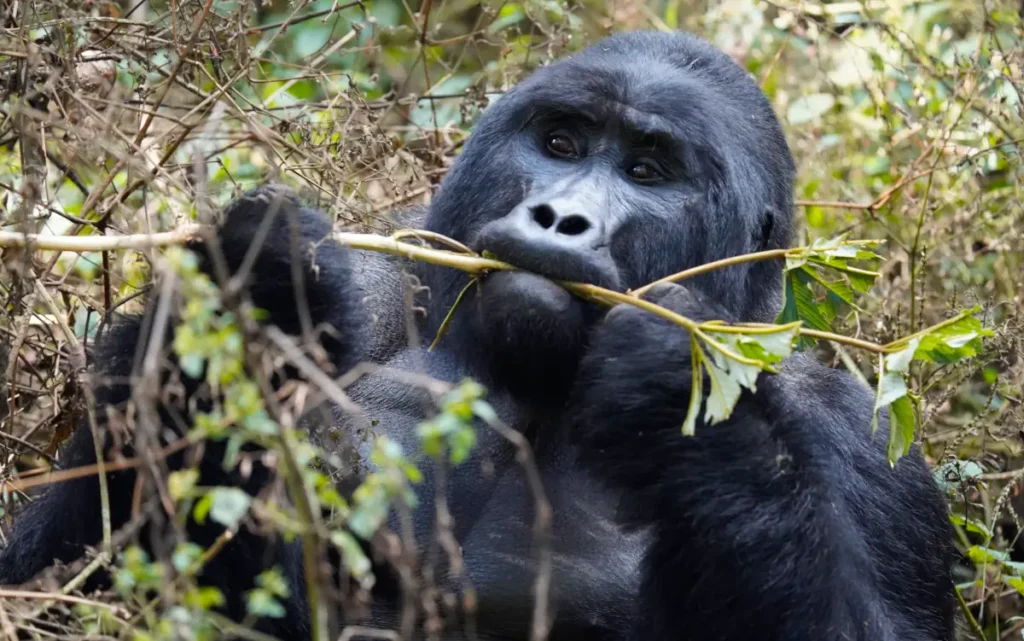
Gorilla habituation is about getting gorillas used to people. Tourists in Uganda can join in this process. Some gorilla families are already used to people, making them easy to spot while tracking. Wild gorillas are shy and do not usually approach humans. Because of this, seeing them is rare and difficult.
Uganda and Rwanda are key destinations for gorilla safaris. Uganda is the best choice because it has lower permit fees. Where to stay is also affordable, fitting all budgets from luxury to economy. A notable place to see gorillas is Bwindi National Park. The park is home to unique species.
Chimpanzees are another impressive species inhabiting forests across East and West Africa. Uganda is famous for its chimpanzee conservation. It is home to over 5,000 eastern chimpanzees.
Chimps share about 98% of their DNA with humans. Kibale National Park is Africa’s primate capital. It has over 13 primate species. You can see chimpanzees thriving in the wild here.
2. African safari wildlife viewing
Wildlife viewing usually happens in safari vehicles. These vehicles provide great views of beautiful landscapes during game drives. This is the most common way to see animals in national parks, along designated driving routes.
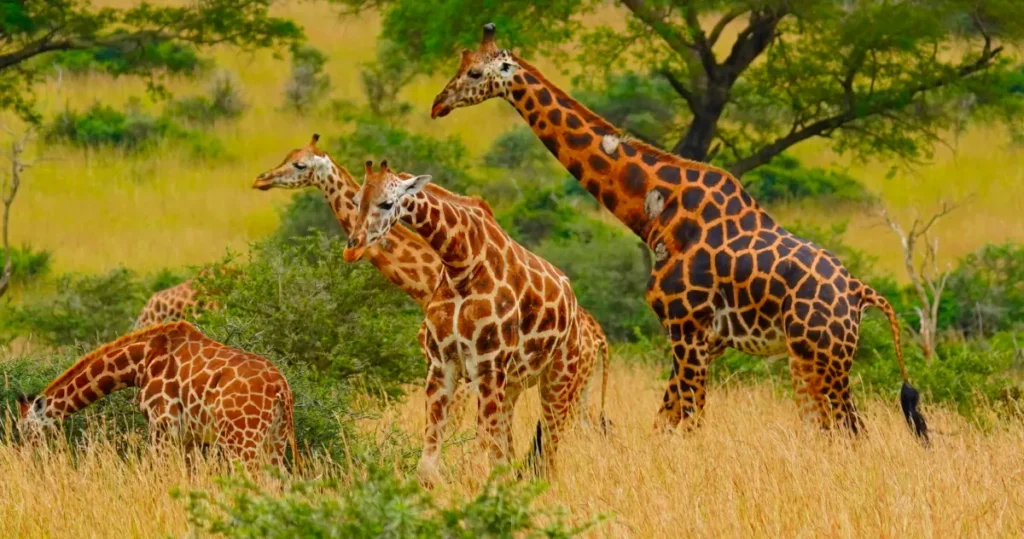
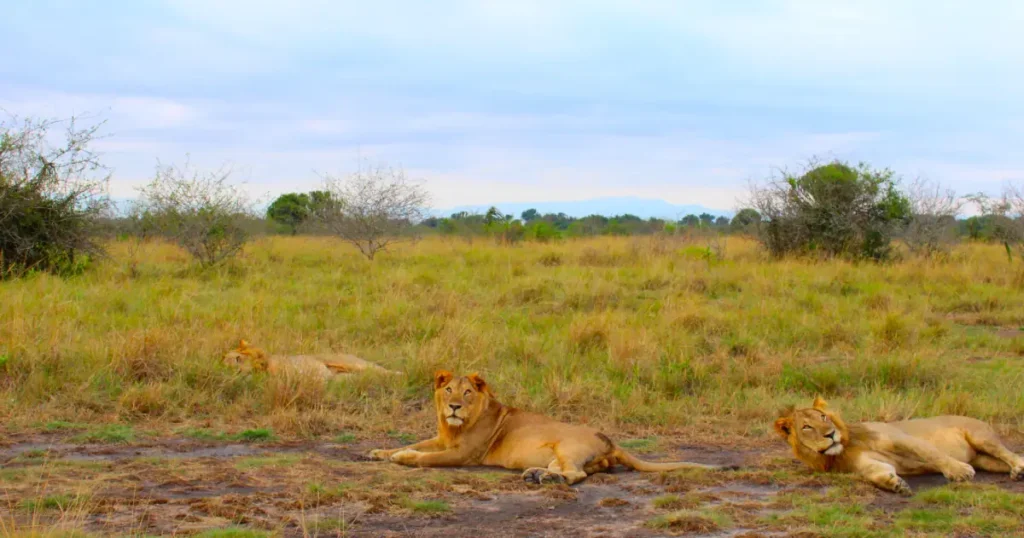
Typical animals are elephants, buffaloes, impalas, and giraffes. You’ll also find hippos, hyenas, and zebras. Warthogs, mongooses, cheetahs, lions, and hyenas are common too. Leopards, baboons, crocodiles, and many bird species also live here.
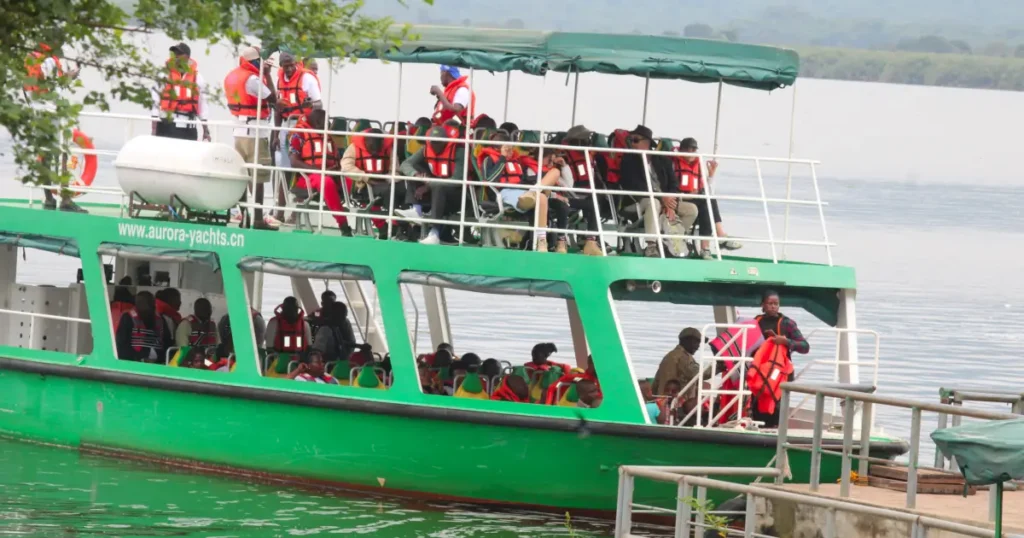
Boat trips are popular for wildlife viewing. This is especially true along the White Nile, which starts at Lake Victoria. Lake Victoria is the world’s second-largest freshwater lake. Jinja is famous for its Nile. Murchison Falls National Park has great boat safaris and fishing. You can enjoy these activities near the falls, where you’ll find many of the Big Five.
You can combine wildlife viewing with city tours. Jinja is a popular spot for Nile source trips. It pairs well with safaris, offering insights into the river’s importance.
Annual festivals like Nyege Nyege attract many international visitors. In Jinja, you can enjoy many activities. You can go white-water rafting, jet boating, or bungee jumping. Kayaking and canoeing are also popular. For more fun, try horseback riding, boat cruises, or zip-lining. Cycling and quad biking offer great adventures, too.
You can see wildlife by taking hot air balloon rides, going on nature walks, or horseback riding in places like Lake Mburo Park and Queen Elizabeth National Park.
3. Cultural Encounters
Visiting cultures untouched by modernity is a rewarding experience. Watching traditional dances is fun. Engaging with local communities makes the adventure even better.
Traditional African lifestyles inspire many and are worth borrowing. The Batwa pygmies are an endangered group from East and Central Africa. They live in forests, hunt, and gather fruit as part of their way of life.
Planning an African safari holiday
For an adventurous trip, expert advice is key. You should also do some personal research to find what interests you. Many countries across this continent are amazing, especially in East Africa.
Focusing on one destination is best. You cannot explore the whole continent in a week or even a month.
Once you’ve chosen a destination, planning or booking a safari becomes easier. Next, think about your budget and the best time to visit. Then, ask a licensed safari operator for an itinerary. This should include activities, lodges, or hotels. You can simplify the safari planning process into three major steps, explained below.
Step 1
Pick a destination and your favorite activities. Make sure the place you choose has what you enjoy.
Popular options include:
- Game drives
- Boat trips
- Hot air balloon safaris
- Nature walks
- Community visits
- Treks for chimpanzees and gorillas.
We also customize honeymoon safaris in Africa to match your preferences.
Step 2
Set a clear budget and ask for an itinerary. The number of activities and days affects your total cost. Select a lodge category that suits your budget, from budget to upmarket choices. Transportation to the parks usually means driving or flying. Choose the option that fits your budget.
Step 3
Prepare for your trip: Once you confirm your safari, start early to avoid issues later. Important considerations include Uganda visas, health precautions, and travel insurance.
Check the visa requirements for your destination on specific immigration websites. They also list needed vaccinations. Packing for the safari depends on the weather and planned activities. For instance, the packing lists for gorilla trekking and mountaineering are quite similar.
How much should an African safari cost?
A comfortable safari costs around $750 per person per day, full board. This price excludes your flight and personal expenses. Wildlife safaris can fit your budget. You usually have three options to choose from.
Budget safaris are less popular. They often mean sharing, camping, or staying in a moderate lodge. Meals may not be as good either. The average cost for a budget safari is about $1,500 per person in a group of at least three.
Mid-range safaris are the most popular among travelers. Many lodges, both in and outside parks, are of mid-range. They look like luxury lodges but cost less. This is usually the recommended choice because mid-range safaris are affordable and comfortable.
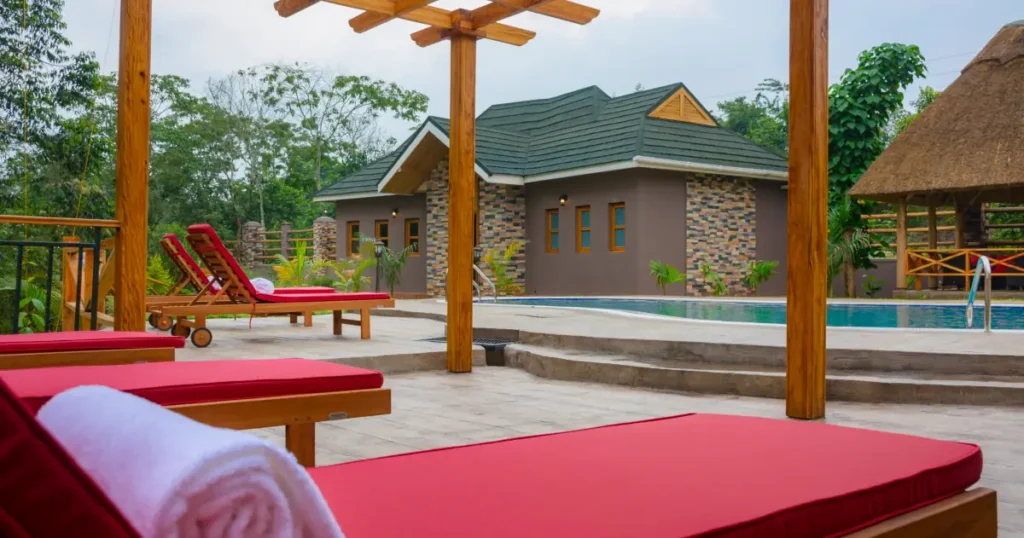
Luxury safaris provide the ultimate experience. Costs generally exceed $750 per person per day, full board. These safaris offer private guides and exclusive game drives. You can enjoy spa treatments and stay in lodges or tents with amazing wildlife views.
Many factors influence safari costs, with the destination being the most significant. Other key factors include
- Activities
- Transportation options
- The season and
- Lodging choices.
Safari Tips
The tips below can help you find affordable African tours:
- Places with a strong tourism industry usually have higher fees. In contrast, developing countries provide friendly options.
- Peak seasons cost more, but traveling off-peak usually offers lower prices and discounts.
- Specialized packages, like gorilla trekking, cost more. Common safaris, such as game drives, are cheaper because of competition.
- Flying to parks raises costs.
- Traveling by road from the airport to the park and back cuts expenses.
- The quality of the lodge matters. Lodges in parks range from budget to luxury. Mid-range lodges are cozy and affordable. Luxury lodges provide top-notch experiences but cost more.
Booking a safari after reviewing these guidelines is rewarding. Remember, knowledge empowers your decisions. We wish you a memorable African safari experience.