
Lake Mburo National Park
Whispers of the Wild
Lake Mburo National Park in Uganda features gentle rolling hills and unique wildlife. It’s a convenient destination for nature lovers during African safaris. Countless birds singing in harmonic series inhabit this scenic western national park.
Where is Mburo National Park located?
Mbarara, Isingiro, and Kiruhura districts form this park. It is named after nearby Lake Mburo, known for its wildlife. The park is at coordinates 0° 37′ 40″ S, 30° 58′ 0″ E.
How to get there
To reach Mburo in western Uganda, drive there. It’s the closest park to Kampala City and Entebbe International Airport. You can also fly from Entebbe or Kajjansi to Mbarara Airport (Nyakisharara). But this option is less common. Driving from Mbarara District to Lake Mburo takes about one hour. From Kampala, it’s a three-hour drive.
The beautiful Lake Mburo Park is located between Masaka City and Mbarara City. Many tourists visit this accessible nearby national park. It is only 220 km from Kampala.
Mburo is a savanna national park along the Mbarara–Kampala highway. Many visitors to parks like Bwindi, Mgahinga Gorilla, Queen Elizabeth, Rwenzori Mountains, Semuliki, and Kibale often begin or end their Uganda safari at Mburo.
Kanyinanshara is one of the park entrances/gates. It leads to Mihingo Lodge. The common entrances to Lake Mburo are Sanga Gate and Nshara Gate. These are the most frequently used gates for travelers along the Mbarara–Kampala highway. Visitors from Queen Elizabeth National Park can use the Ishaka–Mbarara road. Those from Kibale National Park can take the Ibanda–Rushere road.
Overview of the park
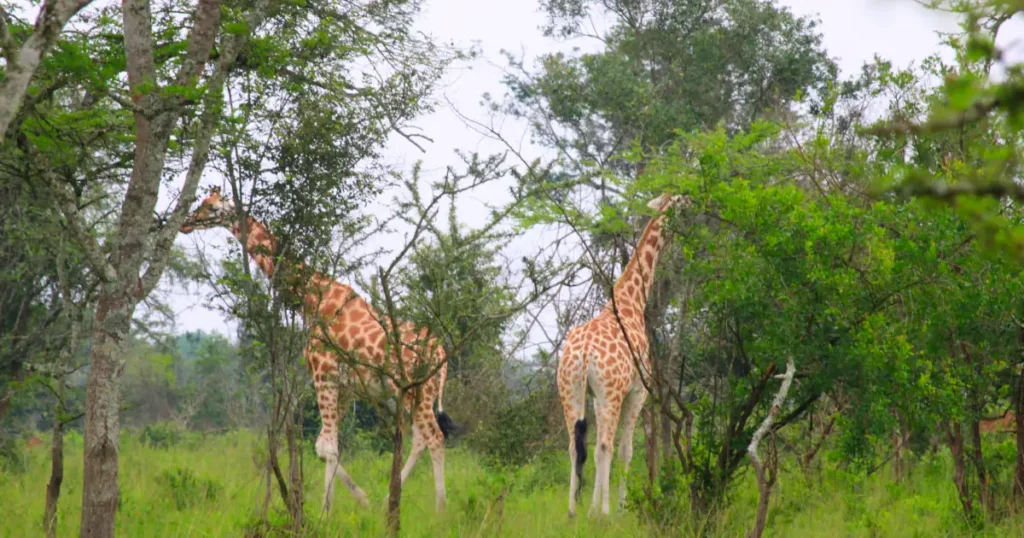
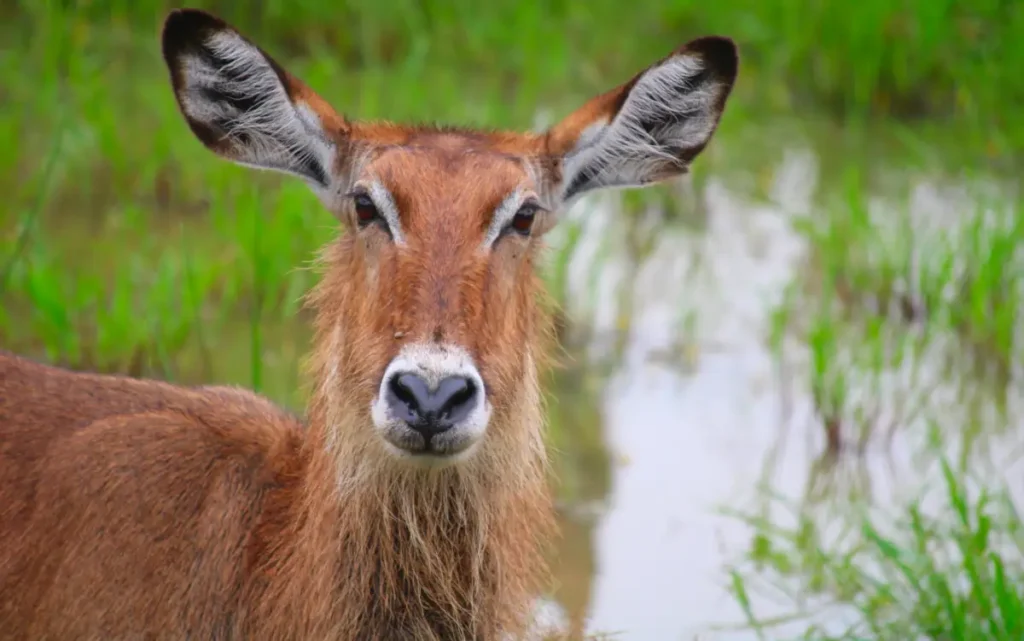
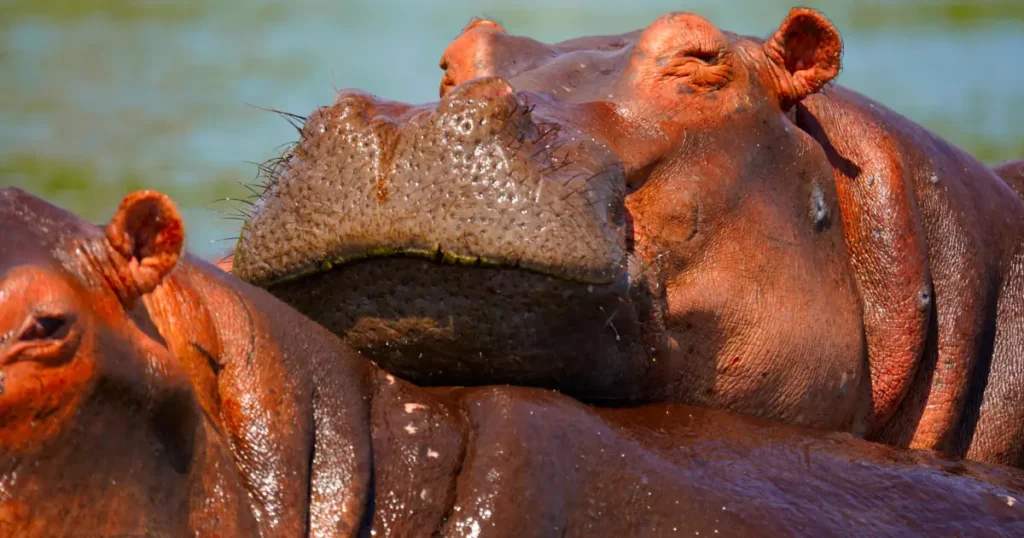
Mburo is the smallest savanna park in Uganda. It covers an area of 370 square kilometers in the southwest of the country. The landscape has forests, grasslands, and large swamps. This vegetation in Lake Mburo National Park is home to wildlife like zebras, impalas, hyenas, leopards, and waterbucks. You can also find buffalo, warthogs, elands, topis, crocodiles, hippopotamuses, and giraffes. Many of the giraffes were brought in from Murchison Falls National Park.
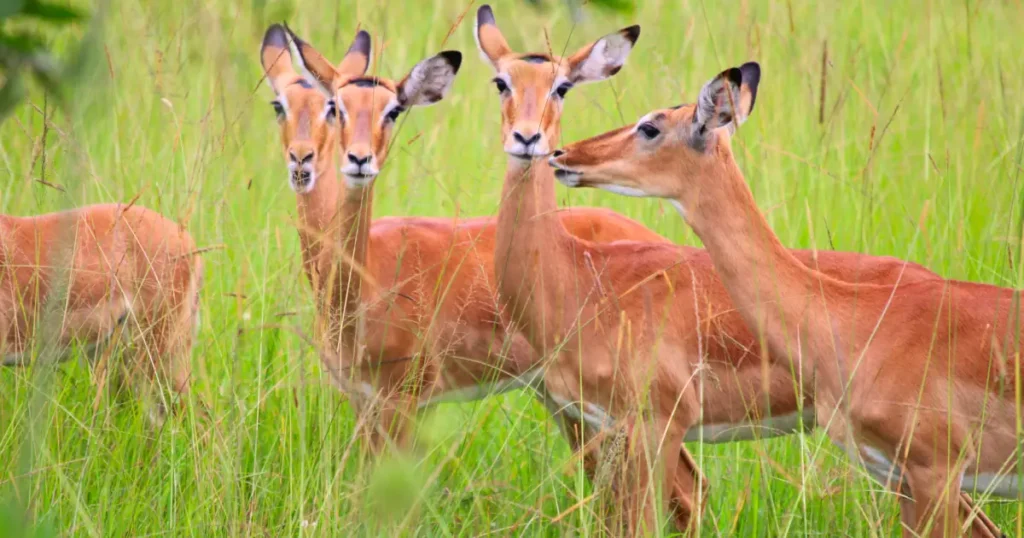
Mburo is unique in that the impala is found nowhere else in Uganda. The plains zebra is a rare species. The highest population of this zebra is in Mburo.
Approximately 350 bird species are in Mburo National Park. Birds flourish in the park because of its varied plants and features like rivers and lakes. About 20 percent of the park has swamp vegetation. This creates perfect homes for birds that live in water and swamps. Some of these birds are
- Shoebill
- White-winged warbler
- Papyrus Gonolek
- Papyrus Yellow Warbler and more.
Lake Mburo has popular safari activities. You can enjoy game drives, nature walks, and boat trips during a Uganda safari. Visitors can explore this small yet rich national park through the experiences on offer.
The local people
The area near Mburo has a semi-arid climate. It lies in Uganda’s Cattle Corridor. This area has many cattle, especially the local Ankole longhorns. The Banyankore people breed them. Outside the park, the main activities are pastoralism and farming. Zebras and impalas often graze near farmland. They even cross the Mbarara–Kampala highway to graze with domesticated cattle. Passersby might be lucky enough to spot these animals grazing near the highway.
Cattle keepers are the main community near Lake Mburo. They have raised Ankole cattle for centuries. The park has several water sources for herdsmen during dry seasons. The park management offers incentives to local communities. This helps promote conservation and encourages positive views on wildlife preservation.
Brief History of Lake Mburo National Park (LMNP)
The Bahima pastoral people of Ankole call Mburo and its area “The Beautiful Land” or “Karo Karungi.” For centuries, cattle have roamed this land. Conservation has led herdsmen to divide land outside the reserve into small ranches.
In 1933, the Lake Mburo area was a controlled hunting zone. Then, in 1963, it became a game reserve to protect plants and animals. The national park covers 260 km². Authorities designated it a national park in 1983. Gazetting Mburo as a national park banned fishing, hunting, and grazing. This brought more wildlife and promoted African safaris. Yet, it also upset locals who could no longer use the park’s resources. Locals also enjoy utilities set up for Mburo National Park and tourism funds.
Vegetation
In Mburo, the Lake Victoria regional mosaic and the Guineo-Congolian zones come together. This mix leads to diverse vegetation. But human activities are also affecting this area.
Mburo features wooded areas and open savanna. It has both permanent and seasonal wetlands. The park is home to five lakes. Acacia is the main tree species found throughout Mburo National Park.
Animals in Mburo
Wild animals in Mburo National Park thrive here. Ranches of Ankole long-horned cattle surround them. Mammals, fish, birds, insects, and reptiles dwell in this wildlife park. Impalas and zebras have the largest populations in Lake Mburo.
Mammals
More than sixty-nine mammal species, large and small, thrive in Mburo. This park features mixed vegetation and steady natural water sources. The park is a key ecological area. Here, nature lovers can spot Uganda’s only impala population.
Uganda has two main zebra populations. One is in Kidepo Valley National Park, and the other is in Mburo. Elands are common in this national park. Only a few live in northern Uganda.
Big Animals in Lake Mburo National Park
The Lake Mburo Conservation Area is home to many animals. They are
- Hippo
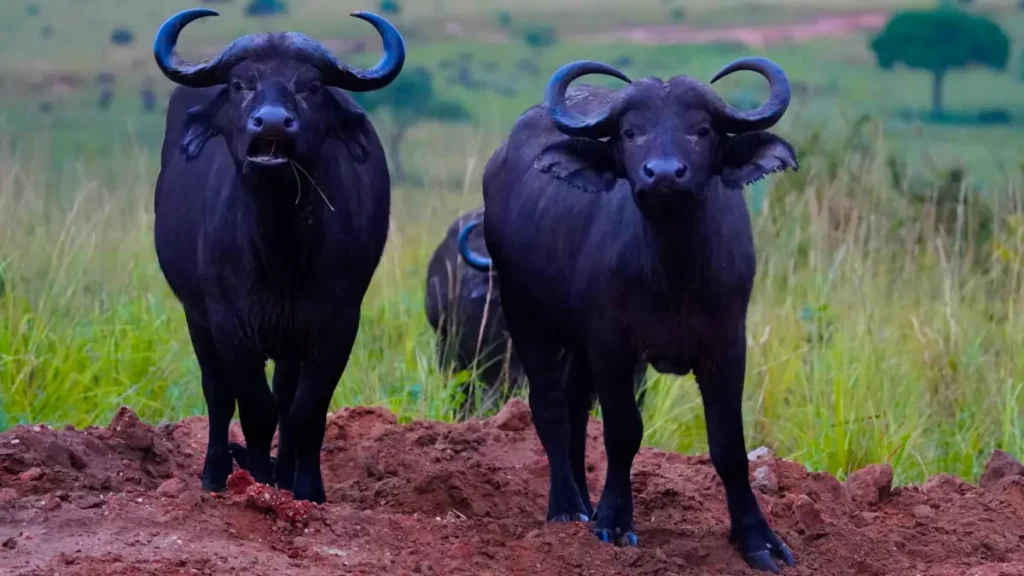
- Buffalo
- Bush pig
- Giraffe
- Zebra
- Waterbuck
- Topi and many other small mammals there.
Lions no longer exist in Lake Mburo Game Park. Herdsmen hunted them due to conflicts with cattle ranchers. Elephants, roan antelope, and black rhinos were also wiped out from Mburo Park. This happened because of human encroachment on the conservation area.
Birds
The park has rivers, swamps, forests, and more than five lakes. Lake Mburo National Conservation Area has plenty of fish in its waters. Locals fish here, and the park’s beautiful birds also feed on these fish.
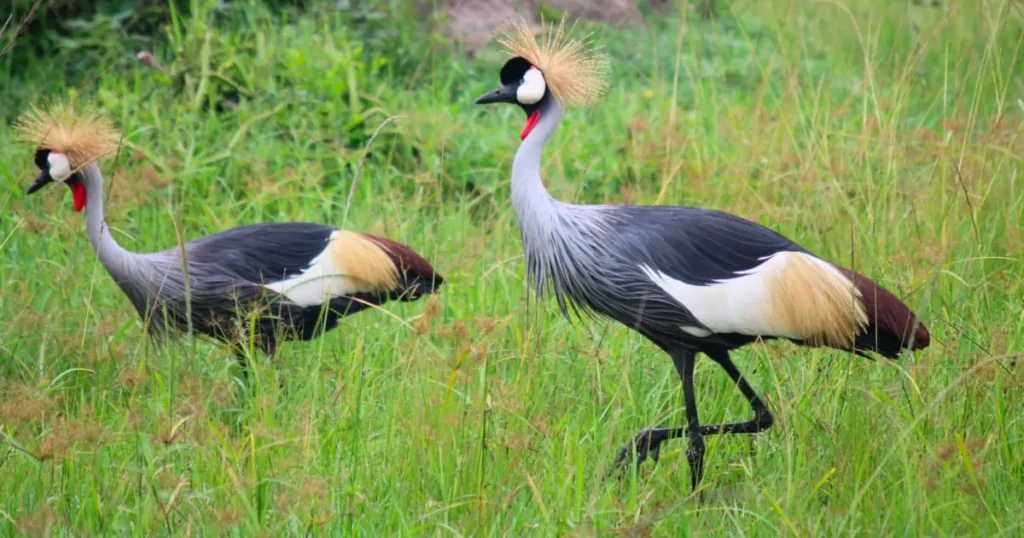
Mburo Park is home to various birds, including:
- Bare-faced Go-away Bird
- Mosque Swallow
- African Finfoot
- Pelican
- Heron
- Fish Eagle
- Grey Crowned Crane
And many more!
The Red-faced Barbet is a rare bird species found only here in Uganda. Rwonyo Camp at Lake Mburo Park headquarters is the best place to see the rare Red-faced Barbet.
The Acacia and Research tracks in Mburo feature acacia woodland. This area is a great place for birding. Warukiri, Miriti, and Rubanga forests are excellent places to watch birds. Birders can see forest species and some water birds, as Rubanga forest is next to the River Rwizi.
Safari Activities and Attractions
Semi-arid Mburo Park, with its rolling hills and rich valleys, offers unique adventures. Visitors can enjoy activities like horseback riding and biking safaris. These activities are only carried out here in all the country’s national parks. Lake Mburo National Park has grasslands with scattered woodlands. Also, there are no man-eaters around. This makes it great for popular safaris.
You can enjoy bird watching, nature walks, and boat trips in Mburo. Sport fishing and horseback riding are also fun options. Don’t miss the day and night game drives! We can tell you how best to spend your holiday in this park. Top attractions in Uganda’s Lake Mburo Park are its lakes, Rubanga Forest, and wildlife.
Lake Mburo
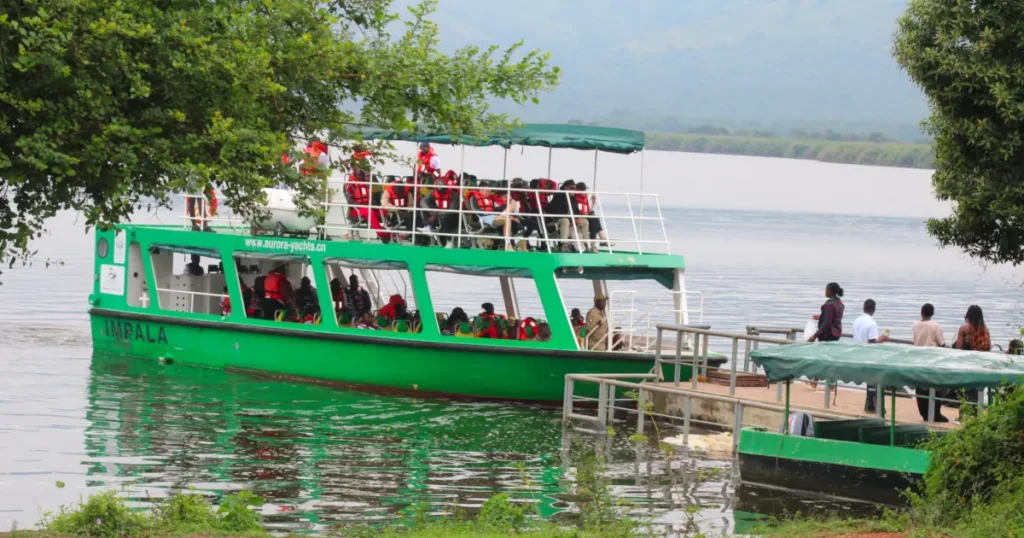
This lake is the largest of the five lakes in Mburo National Park. It provides water for domestic use, wildlife, and livestock. Fish and craft materials are harvested from and around the lake. The lake, its surroundings, and dwellers all play a great role as attractions. Tourists can see plenty of wildlife on a two-hour boat trip from near Rwonyo Rest Camp. You can extend the ride if you negotiate.
Threatened birds, such as the Shoebill and the Papyrus Yellow Warbler, live in Lake Mburo Wetland. Take a boat safari for the best views. See hippos, crocodiles, and more animals drinking or grazing by Lake Mburo on the Uganda water safari.
Other lakes from east to west are Lake Bwara, Lake Kazuma, Lake Mutukula, and Lake Kigambira.
Fishing Safari at Lake Mburo
Enthusiastic tourists can fish in parks like Lake Mburo. Your lodge will prepare your catch when you return. The Mazinga fishing spot is a special place without crocodiles or hippos. Tourists can enjoy fishing there.
Fish in Lake Mburo include mudfish, lungfish, tilapia, and haplochromes. To take part in sport fishing, one should arrange it before the safari. We help tourists get sport-fishing licenses, gear, and bait.
Rubanga forest: Lake Mburo National Park
Park authorities usually arrange walks deep into Rubanga Forest. They assign a ranger guide to escort you along the forest trails. Birders love Rubanga riverine forest. It’s a great spot for many forest birds and some water birds. This is because it borders the River Rwizi to the west. Southwest of the national park is Rubanga. This cultural site was where the Ankole people performed sacrifices.
Guided Nature Walks
Mburo, or “Whispers of the Wild,” is a fantastic park. Visitors can enjoy nature walks throughout the park. Make sure to arrange for a ranger guide through the park authorities first. While walking, expect to encounter most of the wildlife in Lake Mburo Game Park.
The Lakeside track is a perfect place to encounter wild animals and catch a cool breeze from Lake Mburo. The Lakeside track takes visitors to Kigarama Summit. Here, they get a bird’s-eye view of the park and Lake Mburo.
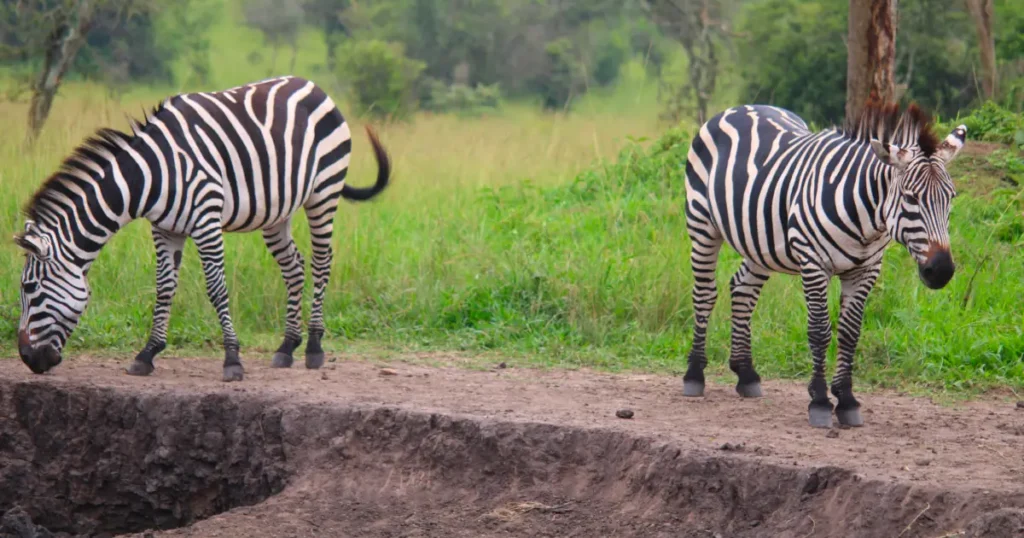
Salt Lick: Tourists love to see animals lick the salty earth at Rwonyo in Mburo National Park. They named the place after the salt that exists in this area.
Mountain biking: If you love biking, Mburo is the perfect safari park. Here, you can ride and see Uganda’s wildlife. Leopard Tail Rest Camp and Rwakobo Rock both offer mountain biking safaris. These start from Nshara Gate.
Horseback Safaris: Mihingo Lodge in Mburo National Park offers rewarding horseback riding. Tourists can get close to animals like elands and zebras during this activity. Horses do not scare away animals like safari cars do. Mihingo is a popular safari lodge in Mburo National Park.
Game Drive
Mburo game drive unleashes the stashed adventure in this small but very amazing park. One can choose a day game drive or a night game drive in this secure park.
On a game drive in Mburo National Park, you will see:
- Zebras
- Impalas
- Buffalo
- Elands
- Leopards
- Hippos
- Hyenas
- Many birds
There’s so much more hidden in this jungle of rolling hills. Potto, bushbaby, and leopard are some of the nocturnal animals to encounter at night.
Key Attractions near Lake Mburo National Park
Places to visit near the park include,
- Igongo Cultural Museum
- Biharwe Eclipse Monument.
Igongo Cultural Centre Museum
The Igongo Cultural Center near Mbarara City is not far from Lake Mburo Sanga Gate. This place is a great Ankole cultural center and museum. Guests interested in African cultures should visit to learn about southwestern Uganda.
The center works to protect and share the cultural and natural heritage of southwestern Uganda. Art pieces and souvenir collectors, at their wish, can make purchases. Lake Mburo tourists never miss visiting Igongo.
The cultural center is a popular stop for tourists traveling to and from Western Uganda. Meals and accommodation are available at Igongo for those choosing to stay longer. Enjoy classic Ankole foods such as:
- Steamed beef
- Milk
- Millet bread
- Bananas
- Ghee and drinks made from sorghum or millet.
Biharwe Eclipse Monument
The eclipse monument honors the total solar eclipse on April 17, 1520. King Olimi I Rwitamahanga of the Bunyoro Kingdom arrived in Biharwe. This happened after he raided Rwanda and Ankole. The king had to leave behind his cattle, women, and slaves. He ran for his life due to the frightening eclipse.
The Ankole people got their cows back and were so excited that the cows had come from heaven. Buganda, Ankole, and Bunyoro kingdoms all recognize this. Scientists worldwide also confirm this eclipse.
Tourists often hike to the Biharwe monument when they visit Lake Mburo or stop at Igongo. Hiking to this monument at the top of Biharwe Hill starts from Igongo Cultural Center.
Lake Mburo National Park Safaris
Mburo is a small park near Kampala. Tourists can visit for one day or stay for two to three days. You can choose from different types of lodges in Lake Mburo Park. A three-day safari in Mburo Park is ideal. You’ll experience all the park’s activities during this time. A 2-day Lake Mburo safari is very popular. You can choose two or three days based on how long you’ll stay in Uganda.
Climate
The semi-dry grassland, known as the cattle corridor of Uganda, sits in a rain shadow. It lies between the Rwenzori Mountains and Lake Victoria. This area is well known for receiving very little rainfall, which is between 500 and 1,000 mm.
Lake Mburo has a tropical climate, but it often faces long dry spells. This lack of rain affects the whole ecosystem. August and July are the hottest months. June to September is the peak season. Heavy rains fall in April and November.
The national park has two seasons: dry and rainy. Daytime temperatures range from 21 to 34°C, but nights are colder. Mburo has a good climate for tourism. The average temperature is 28°C. The best time to visit Lake Mburo is at any time of the year.
Parks nearby
A visit to this national park is often a must. It’s the closest national park to Kampala and Entebbe. Here, you can see impalas and zebras in Uganda. The park is easy to reach. Most tourists like to start their Uganda safari from Mburo. One can also complete a Uganda safari from Lake Mburo. The park sits right by a highway. This road is used by tourists to western Uganda, where most attractions are.
After Lake Mburo National Park, tourists usually go to:
- Kibale National Park
- Queen Elizabeth National Park
- Bwindi National Park
- Mgahinga Gorilla