
Queen Elizabeth National Park
A Medley of Wonders
Queen Elizabeth National Park in Uganda sits on the equator. It features crater lakes, gorges, rivers, forests, and savanna plains. All these elements blend, creating a rich habitat for wildlife. Every year, many adventurers from around the world visit this game park. Locals call it “Queen.”
Location
The coordinates 0°16’54.8“S 29°57’50.0” E in Western Uganda locate the national park, also known as “a medley of wonders.”
The Queen Elizabeth Protected Area spans seven districts of Kasese, Kanungu, Rukungiri, Rubirizi, Mitooma, Kamwenge, and Ibanda
The Medley of Wonders National Park borders Kibale National Park to the north. To the east, it meets the Kichwamba Escarpment of the Western Rift Valley. The park’s western neighbour is Lake Edward in the Democratic Republic of Congo (DRC). The snowy Rwenzori Mountains are also west of the park. This area is home to unique wildlife.
Getting there
The easiest and most affordable way to access Queen for a safari is by road. High-end tourists can book flights to Queen’s National Park in Uganda.
The best driving routes to the national park are:
- Kampala via Mbarara to Kasese (422 km)
- Kampala via Fort Portal to Kasese (410 km)
You can access the park from the south via Ishasha, which is 62 km away. This route is for those coming from Buhoma (Bwindi Forest). Bwindi Impenetrable National Park is the best spot in Africa for gorilla trekking. It has the most mountain gorillas.
You can book chartered or scheduled flights. These flights are from Entebbe or Kajjansi to Kasese Airport or Mweya airstrip. One has to book a flight to Queen Elizabeth in advance through Eagle Air, Aerolink, and Bar Aviation.
Why Conserve Queen Elizabeth National Park?
Reasons to conserve the Queen Elizabeth Protected Area are many. Key values include:
- Unique landforms
- The rainforest in the park is home to primates.
- Important archaeological sites
- Ramsar wetlands
- Important Bird and Biodiversity Area (IBA)
- Tree-climbing lions
- Several endangered species
- Man and Biosphere Reserve
International and local conservationists have teamed up to protect Queen Elizabeth in Uganda.
The Uganda Carnivore Program (UCP) runs an important conservation effort in Queen. Tourists can pay to join experiential tourism. They can encounter carnivores like hyenas, lions, and leopards.
Twenty percent of all fees collected goes back to park communities. This encourages them to take part in conservation efforts.
History
Uganda’s most adventurous national park became a protected area for three key reasons:
- It has abundant wildlife.
- There were disease outbreaks.
- Land use was low.
Sleeping sickness and rinderpest drove many locals, especially the Basongola pastoralists, to leave. This mass departure created a more livable ecosystem. As a result, wildlife began to thrive.
Virunga National Park in the DRC was once called Albert National Park. It is Africa’s first national park. Established in 1925 by King Albert of Belgium. Animals moved freely between the DRC and Uganda. Authorities decided to mark Ugandan areas where these animals live. This was to protect those regions. Uganda created Lake George Game Reserve in 1925 and Lake Edward Game Reserve in 1930. Both became protected areas. In 1952, they merged these two game reserves to create Kazinga National Park.
Queen Elizabeth II of Great Britain visited Uganda in April 1954. Kazinga National Park became Queen Elizabeth National Park (QENP) to honour her visit.
Overview
Queen Elizabeth is Uganda’s most visited national park. It spans 1,978 square kilometres. The beautiful ecosystem includes lakes, rivers, forests, and savanna grasslands. It is home to various animal species and several volcanic features.
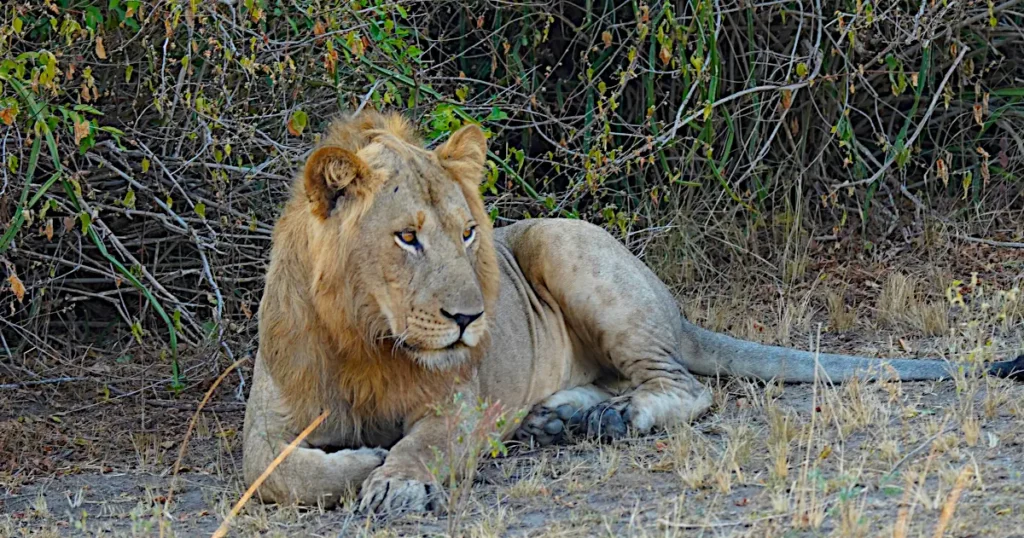
The park’s wildlife is incredible. You can find rare tree-climbing lions and many carnivores that prey on mammals. They thrive here in plenty. Over 95 mammal species have been recorded in this conservation area.
Large mammals in the Queen Elizabeth Protected Area include:
- Uganda kob
- Buffalo
- Elephant
- Waterbuck
- Warthog
- Topi
Reptiles also live in Queen. One of them is the Nile Monitor lizard. This shy giant is the largest lizard in Africa.
The lakes in this national park are famous for their beauty. Many wildlife species live in or around them. Lake Katwe is well-known for artisanal salt extraction. This has been happening since the 13th or 14th century. For locals in the park, it is a vital source of income. Most lakes in this protected area formed from volcanic or tectonic activity during the Pleistocene.
Over 600 bird species have been recorded in Uganda’s most visited national park! In Queen, you can see amazing birds. Look for pelicans, kingfishers, flamingos, cormorants, gulls, and terns.
In 1979, UNESCO named Uganda’s Queen Elizabeth a Biosphere Reserve. Here, local people help manage biodiversity and use it sustainably.
Queen Elizabeth National Park Fees
The park charges entrance fees as follows:
- USD 40 for foreign non-residents
- USD 30 for foreign residents
- UGX 20,000 for East Africans
Vegetation
Altitudes in this park range from 910 to 1,350 meters above sea level. Vegetation cover is significantly affected by these altitudes. Animals in this mixed vegetation national park have thrived for years. They enjoy the variety of plants they inhabit and feed on. This diversity supports a balanced ecosystem. Grassland, woodland, savanna thicket, bush land, wetland, and forest. The park’s woodland cover is growing. This is happening because there are fewer large mammals.
You can find thorny acacia and cactus trees all over this savanna park. Maramagambo Tropical Forest is another key area in the protected zone, along with Kyambura Underground Forest. The National Forestry Authority (NFA) and the Uganda Wildlife Authority (UWA) oversee this forest reserve. The two forests are stocked with primates and other unique wildlife species.
Two different vegetation types converge in this park! QENP is where the East African grassland meets the Central African forests. This creates a great habitat for birds, mammals, and other wildlife.
The Queen Elizabeth Protected Area includes the park itself, Kigezi Wildlife Reserve, and Kyambura Wildlife Reserve.
Animals
The animal kingdom in the Queen Elizabeth Protected Area is diverse. It includes mammals, birds, reptiles, amphibians, and fish. The area from Queen to Virunga National Park has the world’s highest number of wild animals.
Mammals and birds populate the beautiful scenery of this national park in Uganda. The park has four of the Big Five. A visit to Ziwa Rhino Sanctuary shows how rhino numbers are increasing in Uganda. The rhino sanctuary in Uganda is about 167 km north of Kampala, on the way to Murchison Falls.
Attractive zebras also do not dwell in Queen Elizabeth National Park! Lake Mburo and Kidepo Valley National Parks are Uganda’s only parks with many zebras. Lake Mburo National Park is small but packed with diverse wildlife. Visiting it on your way to Queen Elizabeth for a Uganda safari is a brilliant idea.
Fossil evidence from Queen Conservation Park shows that giraffes once lived here. Other parks in Uganda are working hard to save endangered giraffes. They follow the giraffe conservation program. In Uganda, Murchison Falls National Park has the largest number of giraffes.
Mammals
Uganda’s Queen Elizabeth Conservation Area has 96 mammal species. These species vary in size, both big and small. Big mammals are famous because they are easy to spot in Uganda’s vast savannah. You can see them on game drives or boat rides along the Kazinga Channel. This channel connects Lake Edward and Lake George.
Elephants, buffaloes, Nile crocodiles, and hippos are common sights along the Kazinga. They often drink and bathe to cool off from the equatorial sun.
Hippopotamuses in the Queen Elizabeth Protected Area are countless. In the 1960s, park staff practiced culling to protect the shrinking vegetation. Groups of hippos in this park are a great determining factor in vegetation growth. You can book a hippo census along the Kazinga Channel during your Uganda safari. It’s a popular activity!
Animals in Queen Elizabeth National Park that are Classified as Mammals
They include:
- Elephant
- Buffalo
- Hippopotamus
- Waterbuck
- Topi
- Warthog
- Giant forest hog
- Uganda kob
The above are the largest mammals in the park.
Other moderate mammals in Queen are sitatunga, reedbuck, oribi, bushbuck, and banded mongoose, to mention but a few. The Nile crocodile is a large semi-aquatic reptile. You can find it in the water bodies of the Queen Elizabeth Protected Area.
The park has recorded 20 carnivores. They are the African lion, leopard, spotted hyena, serval cat, side-striped jackal, and African civet, among others.
Primates
The primates in this amazing park include:
- Chimpanzee
- Olive baboon
- Vervet monkey
- Red-tailed monkey
- Black-and-white colobus monkeys
- Blue monkey
- Red colobus monkeys
- L’Hoest’s monkey
- Potto
- Bush baby
Uganda safaris to Kyambura, Kibale, and Bwindi Forest are great for seeing primates.
Queen Elizabeth and Virunga National Parks share a border in the Ishasha Valley. This area is a lion conservation unit. The IUCN and WCS designated it. Tree-climbing lions in Uganda face danger. Human activity near Queen Elizabeth and Virunga is a threat.
Ishasha sector is in the southern part of Queen Elizabeth Protected Area. It’s famous for its tree-climbing lions, which are found nowhere else in Africa. Other lions in the wild struggle to climb. They lack the skills to climb tall trees, unlike the Ishasha lions. These lions learn to climb at a young age.
Birds
Bird counts in Uganda’s Queen Elizabeth, an Important Bird Area, are promising. The supportive habitat and varied vegetation types help. Birders have spotted 618 bird species. This includes unique ones from the Albertine Rift. Most birds appearing in Congo also appear in Uganda. A birding safari to Uganda confirms how the country is a paradise for bird enthusiasts.
Common Birds in Queen Elizabeth National Park
During a safari in Uganda’s Queen Elizabeth Wildlife Park, you can sight many birds. The most common include:
- White-winged Black Tern
- Sand Martin
- Ruff
- Barn Swallow
- Black-winged Stilt
- African Skimmer
- Plain Martin
- Lesser Flamingo
- Pied Kingfisher
- Grey-hooded Gull
- Angola Swallow
- Great Cormorant
- Little Stint
- Western Yellow Wagtail
- Little Swift
- Western Cattle Egret
- Gull-billed Tern
- Laughing Dove
- Long-tailed Cormorant
- Lesser Black-backed Gull
- Lesser Striped Swallow
On a Uganda Queen Elizabeth safari, the birds encountered are many; we have listed a few above. The endangered shoebill stork lives in the Queen Elizabeth Protected Area. Birding International recognizes this area as an Important Birding Area. It hosts over half of Uganda’s bird species.
Attractions
Things to do or places to visit in this medley of wonders park are endless. We have provided a complete list of the places to visit in Queen Elizabeth. Here are our top attractions you must visit in the Queen Elizabeth Protected Area:
- Ishasha Sector
- Kigezi Wildlife Reserve
- Maramagambo Forest
- Kyambura Wildlife Reserve
- Kyambura Gorge
- Kazinga Channel
- Katwe
- Lake George Ramsar Site
- Mweya Peninsula
- Kasenyi Plains
- Explosion Craters
Enjoy exploring these amazing places!
Tourism Activities
Things to do in this national park are many. You can enjoy day game drives, go chimpanzee trekking, or track lions. Birdwatching is great here, too. Boat trips offer a unique view, while mongoose watching adds excitement. Nature walks let you explore the area, and hippo censuses are interesting. For a special treat, try a hot air balloon safari.
Queen’s varied plants and landscapes offer many safari activities. The park has hosted diverse wildlife for centuries. This makes it Uganda’s most-loved national park, both at home and abroad.
A game drive in Queen National Park doesn’t show all the beauty that the park offers. Taking a boat trip along several water bodies in the park is an exciting way to experience it.
A hot air balloon safari from Kasenyi Gate gives a stunning view of Queen Elizabeth. Hot air balloon safaris offer a unique chance to spot details you might miss on game drives.
Queen Elizabeth National Park Safari Packages
A safari in Queen Elizabeth is among the top African safaris. Uganda safari packages for this park usually last from 3 to 5 days or more, based on your plans.
Roads to Queen Elizabeth make it easy to reach. It’s close to nearby parks like Bwindi, Kibale, and Rwenzori Mountains National Parks. Complete Uganda safaris mix game drives with gorilla trekking or chimpanzee safaris in Kibale.
A short 3-day Queen safari could include arriving on day one, a game drive on day two, and returning on day three. For those with more time, a 5-day or longer trip is better for a more immersive experience.
Travel to this western Uganda park is usually by road, but flying is also an option. Scheduled or chartered flights land at Mweya Airstrip inside the park. Flights can also land at Kihihi or Kasese, from where you can reach the park by a short drive. From Kihihi, visitors can reach Bwindi for gorilla trekking. From Kasese, they can go to Kibale for chimpanzee safaris.
Climate
The weather in Queen Elizabeth Park is great for tourists. It sits on the equator, so it has an equatorial climate all year.
The best time to visit is generally considered to be year-round. Warm temperatures dominate all year, with only a few cold days during heavy rains.
The driest months are June and July, while January and February have a moderate level of dryness. The wettest months are April and November. This is especially true in the Maramagambo Rain Forest. March to May and August to December constitute the rainy seasons.
In the dry season, daytime temperatures hit about 29°C (84°F). There may be some light rain now and then. Nighttime temperatures can drop to about 17°C (63°F).
Tourists love the dry seasons. The vegetation is less dense, so it’s easier to spot animals. The boat ride on the Kazinga Channel is entertaining. Most water sources are dry, so animals come here to drink, wallow, and bathe.
Parks near Queen Elizabeth National Park
This national park is near other parks full of wildlife. It’s especially known for its primates and birds. Kibale National Park, Rwenzori Mountains National Park, and Semuliki National Park are only a few kilometers to the north. Bwindi Impenetrable National Park is famous for gorilla trekking. It’s the best place in Africa to see gorillas and is located south of Queen, it’s close to the park, making it the easiest to visit.