
Attractions in Queen Elizabeth National Park Uganda
Things to do in Queen Elizabeth
The park’s other name, “medley of wonders,” says it all. In Queen Elizabeth National Park Uganda, there are must-visit places. They stand out for their popularity and rarity in Africa. These places include;
- Mweya Peninsula
- Explosion Craters
- Ishasha Sector
- Kasenyi Plains
- Kigezi Wildlife Reserve
- Kazinga Channel
- Maramagambo Forest
- Kyambura Wildlife Reserve
- Kyambura Gorge
- Katwe
- Lake George Ramsar Site
Ishasha sector
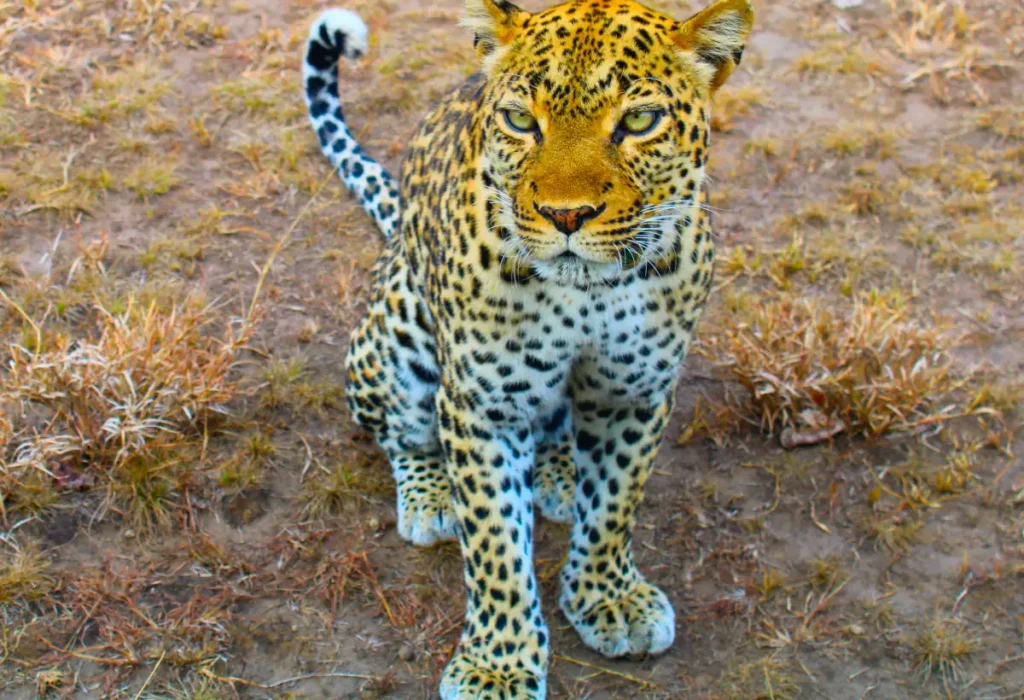
South of the park is the Ishasha sector. It’s known for its rich wildlife. One highlight is the unique tree-climbing lions. These lions face danger from humans and are only found here. Fig trees and acacia trees have wide, low branches. This makes it easy for lions to climb in Queen Elizabeth. That’s why we call them tree-climbing lions.
Ishasha lions often climb trees. They do this for two main reasons: to get a clear view of the thick savannah and to rest while spotting their next meal. Lions climb fig trees to avoid insect bites. Most biting insects, such as the tsetse flies, live on the ground. Trees provide shade during hot or rainy days; thus, they are a perfect shelter for the king of the jungle.
The new Katunguru – Ishasha road makes it easy to get to Bwindi Impenetrable National Park. This area has many animals. You can find lions, African elephants, buffalo, topis, and hippos here. You’ll see these wildlife species on your safari, which even attracts global nobles.
River Ntungwe and the Ishasha River are vital. They irrigate lands in the Ishasha sector. This area is a natural habitat for many birds and mammals.
Kigezi Wildlife Reserve, South of Queen Elizabeth National Park Uganda.
Kigezi Wildlife Reserve is part of the Queen Elizabeth Protected Area (QEPA). The reserve is home to many mammals. You can find buffalo, elephants, hippos, oribi, warthogs, and lions during a Uganda safari. Other animals are Uganda kob, topi, bushbuck, and leopards. You can also find baboons, black-and-white colobus monkeys, vervet monkeys, and chimpanzees.
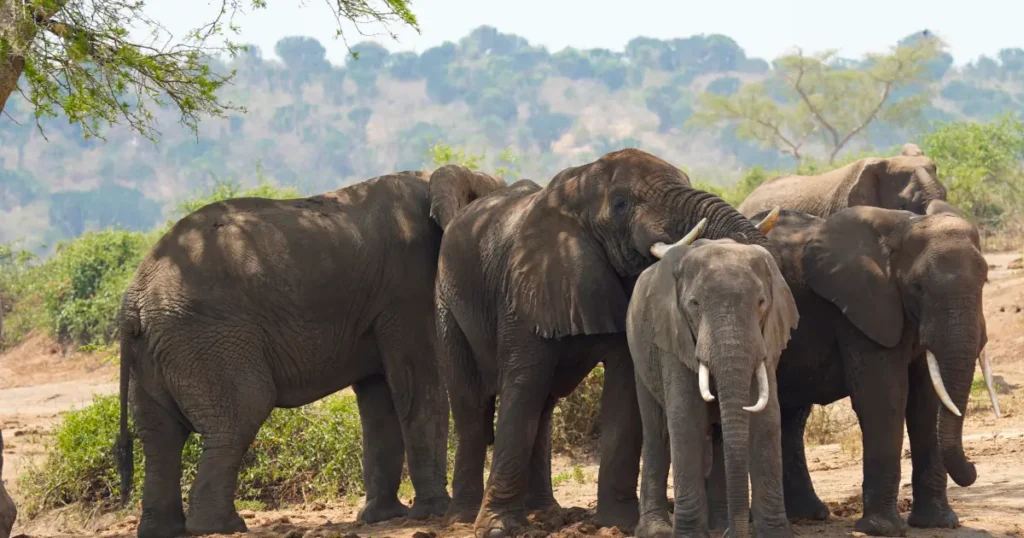
You can encounter several primates in Kigezi Reserve. This is because Maramagambo Forest and Kigezi Game Reserve share a border. This setup allows animals unrestricted movement. The reserve serves as a buffer zone for Uganda’s Queen Elizabeth Park. But nearby human settlements have caused encroachment.
Maramagambo Forest
This rainforest is east of Lake Edward. It also borders Queen. QENP wildlife includes many residents. You can spot several animals in this forest. Look for
- Egyptian fruit bats
- Bates’s pygmy antelopes
- Red-tailed monkeys
- Pottos
- Giant forest hogs
- Yellow-backed duikers, and
- Chimpanzees.
Several butterfly species are in this forest, too.
The Maramagambo forest sits at a medium altitude. It’s covered with Parinari, Cynometra, and Celtis trees. These species thrive on the floor of the Western Rift Valley.
The national park’s grassland and bush lead to a moist forest. This forest is home to notable birds. They include the Rwenzori Turaco, White-naped Pigeon, African Forest-Flycatcher, and Yellow-throated Cuckoo. Guano covers old trees in Maramagambo Forest. They make great roosting spots for cormorants. These birds travel over 25 km each day to nearby waters to find fish.
On your hiking safari in Maramagambo Forest, stop by the viewing platform. You’ll find an exciting bat cave. Snakes, such as pythons, wait for wandering Egyptian fruit bats. Choose a guided nature walk in this lush forest. Visit River Kamiranjojo, Blue Lake, Lake Kyasanduka, and Lake Nyamusingiri to the north.
East of Maramagambo Forest is Kalinzu Central Forest Reserve. Kalinzu Forest is full of wildlife. It’s a great spot for chimpanzee trekking, and it’s very affordable.
Kyambura Gorge
A gorge filled with primates is a must-see. This valley of apes is a top destination for chimp enthusiasts. If you plan to participate in finding chimps, booking early is advised. These permits are scarce. There is much scenery to see in the gorge and the entire Kyambura Wildlife Reserve.
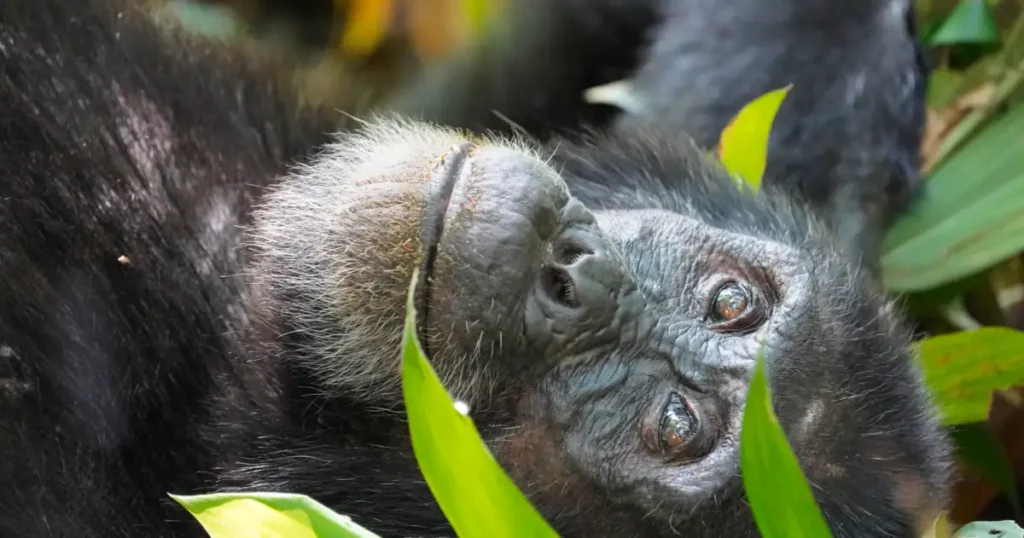
Plans are also underway to make Kyambura a national park. Are you planning to stay near the gorge? Kyambura Gorge Lodge is the best luxury option. Many lodges are in Queen.
Kazinga Channel in Queen Elizabeth National Park Uganda
Kazinga Channel is a 32-kilometer natural water stream in Queen. It connects Lakes Edward and George. This channel offers popular water safari trips in Uganda’s busiest national park, QENP.
Uganda’s Queen Elizabeth Safari Park was once called Kazinga National Park. This name highlights the importance of the channel to the park. Many hippos, crocodiles, buffalo, and birds live in or near the wide Kazinga Channel.
Take a launch cruise safari on Uganda’s Kazinga Channel. Enjoy an unforgettable experience! Cruises leave from Mweya Peninsula twice daily: from 11:00 to 13:00 and from 15:00 to 17:00. On the famous Kazinga launch trip, you’ll see buffalo and elephants on the banks of the Kazinga Channel. Customized viewing points on custom tour boats give you great views of the channel.
Kazinga Channel has two areas: Kasenyi Plains and North Kazinga. Both have a lot of wildlife. Kasenyi Plains is a great place to encounter lions. You can track them with park rangers during a game drive.
Local communities around Queen have fished for centuries. They have benefited from the Kazinga Channel. The channel is full of fish. This is a delicacy for the Bakonzo and Banyaruguru people in Western Uganda. Fishermen in canoes cross the channel daily to catch fish, including tilapia.
Mweya Peninsula: The Tourism Hub in Queen Elizabeth, Uganda
The Mweya Peninsula is a landform almost surrounded by Lake Edward in Mweya Village. The high peninsula offers a stunning view of the park, the Kazinga Channel, and Lake Edward.
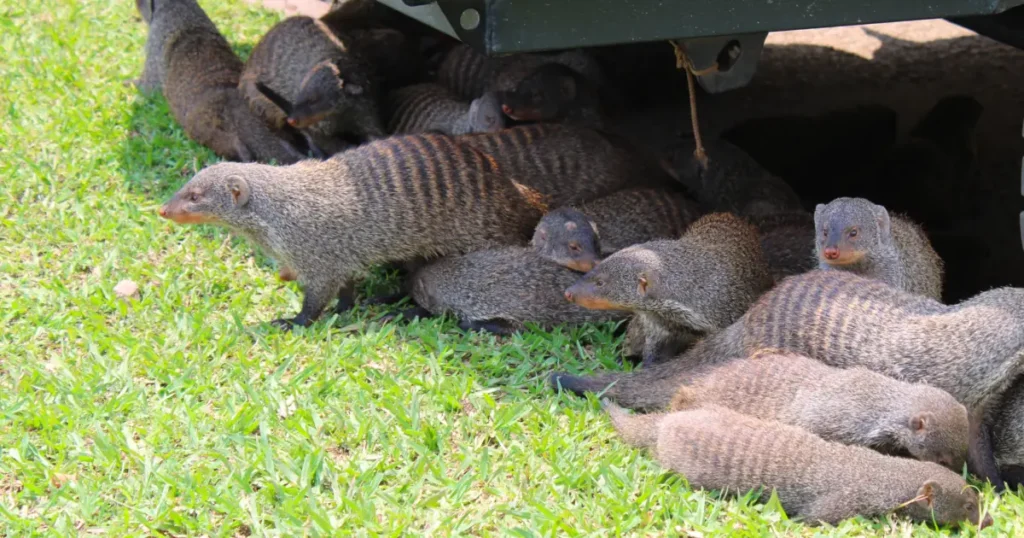
Mweya is a unique place in the park. It offers game drives and a marina, which is the only place to start boat trips on the beautiful Kazinga Channel. Mweya has many human settlements near big cats like lions and leopards. This famous part of Queen Elizabeth National Park Uganda, also hosts several large mammals. Tourists wonder how Mweya locals live among the wild animals, especially the predators.
In Mweya, game drives and boat safaris are popular. Also, mongoose tracking and community walks are becoming more popular. Banded mongooses are intelligent, social small mammals that live in groups. While in Mweya for an African safari, try to see these rare, fearless mammals. Mongooses excel at hunting and eating venomous snakes, especially cobras. Many snake species live in Queen.
Mweya Safari Lodge offers high-end accommodation on the Mweya Peninsula in Queen Elizabeth. Upscale tourists love this lodge. It offers excellent service and stunning views of park attractions.
Katwe
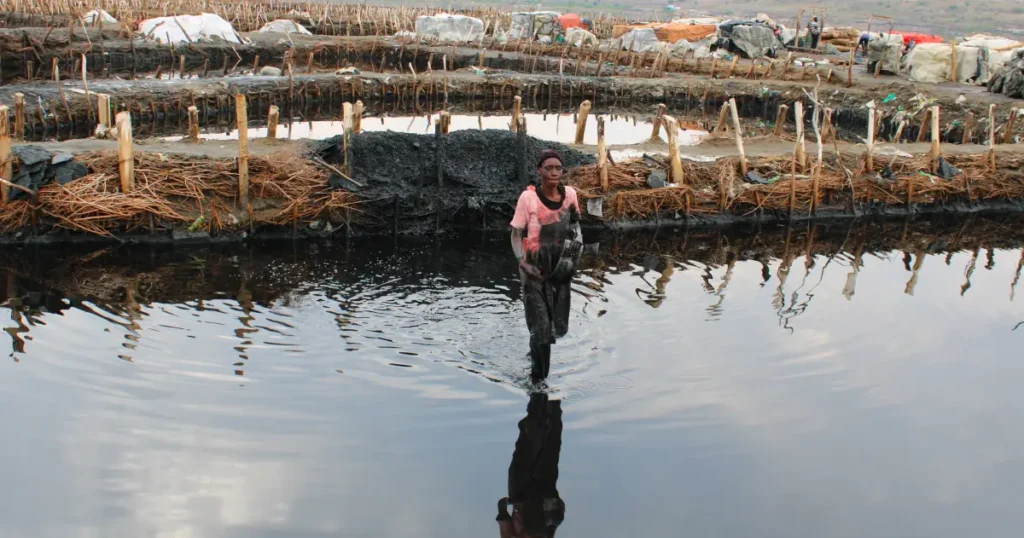
Lake Katwe is a saline lake in this national park. It has large salt deposits in the western arm of the Great East African Rift Valley. The Katwe – Kabatoro Crater Lake has evaporite deposits. It is only 12 kilometers from the Mweya Peninsula, north of Lake Edward.
Artisanal miners have mined salt from this rich lake for centuries. They use evaporation pans, a simple method to earn a living. Yet, this activity carries risks for the miners.
When in this park, learn how people of all genders traditionally harvest salt from Katwe Crater Lake. It’s a unique experience full of wonder. Machines were to be used in salt mining at Katwe Saline Crater Lake. The factory didn’t launch as planned. Some technical issues were not considered during the setup of the abandoned salt-processing plant in Katwe.
Many birds and mammals from Queen National Park visit Katwe Saline Lake. They come to enjoy the salt-flavored grass and to drink the salt extracted from Lake Katwe. On your safari around Katwe-Kabatoro. You will see buffalo, hippo, and migratory birds like flamingos. This salt town in Kasese is important for both locals and park authorities.
Explosion Craters in Queen Elizabeth National Park Uganda
Tectonic plate movements caused the Albertine Rift Valley to form. This area is home to explosion craters. Major volcanism and tectonism in western Uganda likely occurred 8,000 to 10,000 years ago. Mountains and valleys form due to plate tectonics. This process led to the creation of many crater lakes in western Uganda.
The landscape north of Mweya, dotted with crater lakes, is a stunning sight. Many tourists visit this area during a Queen Elizabeth National Park safari. Volcanic cones and deep craters make this part of the park amazing. It stands out among Africa’s unique landscapes.
Explosion craters of this park are best viewed on a game drive safari via Kabatoro and Crater gates. On this unique tour, visit the Queen’s Pavilion in Queen Elizabeth, Uganda. Many British royals have enjoyed this amazing landscape. This high site gives stunning views of Lake Edward, Mount Rwenzori, and the rift valley. You can also see crater lakes and the diverse wildlife in the Mélange of Wonders National Park.
Some of the park’s stunning northern crater lakes are,
- Nyamunuka
- Kyemengo
- Kikorongo and
- Kitagata.
Kitagata is a hot spring in this park.
Kasenyi
The most visited part of the park is none other than Kasenyi Plains in Queen Elizabeth National Park Uganda. It’s famous for its incredible game drives. Many animals live here, especially the Kobus kob thomasi, which come to feed and breed. These plains sit on the western border of Lake George. This area is a Ramsar site, known for its rich biodiversity, especially in mammals and birds.
Herds of Uganda Kob like open habitats, savannahs, and water shores. They often gather in places like the Kasenyi plains, which stretch to Lake George’s shores. Lions, leopards, hyenas, and other carnivores are permanent residents of Kasenyi. Thick Kasenyi grasslands serve as a natural hideout for predators. They wait to attack herbivores like antelopes and buffalo.

Kasenyi is popular in this park. Here, a game drive exceeds all expectations. You will see lions hunting in the Kasenyi grasslands. Predators spot and chase antelope herds that roam the savannah.
Lake George Ramsar Site
Lake George is almost encircled by a wetland rich in wildlife. In 1988, this wetland, part of Queen Elizabeth National Park, became Uganda’s first Ramsar site.
A large network of rivers flows down from Mount Rwenzori. These rivers feed fresh water into Lake George. Then, the water leaves Lake George through the Kazinga Channel and flows into Lake Edward.
Rare birds such as
- The vulnerable shoebill stork.
- Papyrus yellow warbler, and
- Saddle-billed storks are part of over 150 species living in this Ramsar wetland.
Both small and large mammals live here. Notable ones include elephants, antelopes, and hippopotamuses.
Enjoy fun activities around Lake George, like boat trips and bird-watching safaris. Fishing is also popular here, along with game drives in the stunning Kasenyi Plains.
Nearby parks are Bwindi, Kibale Forest, and the Rwenzori Mountains National Park. Thank you for visiting and conserving Queen Elizabeth National Park Uganda.